
Transcript
Announcer:
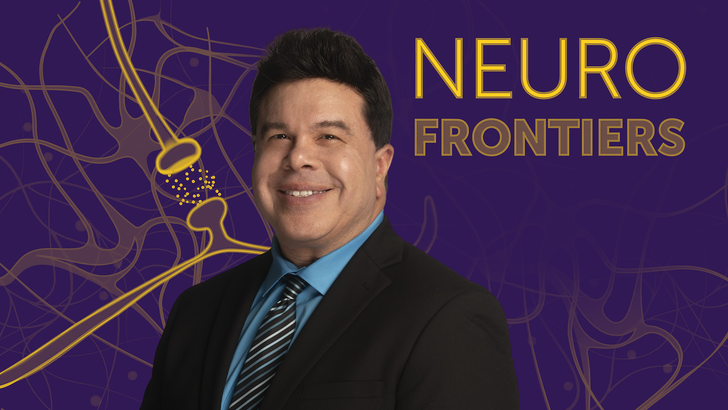
You’re listening to NeuroFrontiers on ReachMD. On this episode, we’ll hear from Dr. Roberto Olivardia, who will be discussing how comorbidities can influence our treatment plans for patients with ADHD. Dr. Olivardia is a Clinical Associate in Psychology at the Mass General Brigham McLean Hospital, and he serves on the Professional Advisory Boards for Children and Adults with ADHD and the Attention Deficit Disorder Association. Here’s Dr. Olivardia now.
Dr. Olivardia:
It's so important to always assess for comorbid disorders when someone has ADHD because just like untreated ADHD will undermine the treatment of an associated anxiety or mood disorder, treating ADHD can be undermined if somebody has an untreated or unidentified mood or anxiety disorder. So we always want to make sure we're looking at the full diagnostic picture and making sure that all of those conditions are treated because the idea a lot of times in psychiatry or psychology is ‘we're going to treat this disorder first and then this.’ And a lot of times, that equation is, what's the thing that's causing more impairment? And that can work for other disorders or conditions.
However, when ADHD is in the mix, I always say you can't just put aside the ADHD. It's always there. So what you have to do a lot of times is either treat the ADHD first or most of the time, I would say, just treat them simultaneously. So you're making sure that in the case of a mood disorder or anxiety disorder, that's getting the proper treatment, whether it's with psychological treatments like cognitive behavioral therapy, DBT, or medication.
And we're also looking at the ADHD because what a lot of clinicians and providers don't always clinically appreciate when doing treatment is that for a patient to sit for 50 minutes and regulate their attention in a therapy session requires a certain level of executive functioning. So having ADHD can make it hard to even do treatment for ADHD, and that has to always be considered as well, let alone to do treatment for other things like anxiety and mood disorders.
And treatment modalities like cognitive behavioral therapy and dialectical behavior therapy often have homework assignments and things that patients have to do outside of sessions to bring back into the session. And again, even if the ADHD is identified but if it's not always in the room as part of the treatment protocol, that patient might forget to do their therapy homework. They might lose the sheet of paper because those are the things that can happen for people with ADHD. And meanwhile, if you have a patient with ADHD who has an untreated mood or anxiety disorder, all of their executive functions are definitely going to worsen. Their ability to concentrate and regulate attention are certainly going to be much more difficult if they're depressed or significantly anxious.
Announcer:
That was Dr. Roberto Olivardia talking about treatment considerations for patients with ADHD and anxiety or mood disorders. To access this and other episodes in our series, visit NeuroFrontiers on ReachMD.com, where you can Be Part of the Knowledge. Thanks for listening!

