
Transcript
Announcer:
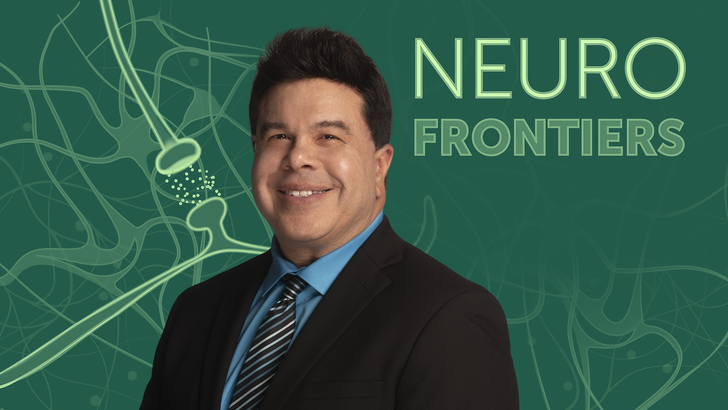
This is NeuroFrontiers on ReachMD. On this episode, we’ll hear how learning disorders often intersect with ADHD and how we can better support our patients from Dr. Roberto Olivardia. Not only is he a Clinical Associate in Psychology at the Mass General Brigham McLean Hospital, but he also serves on the Professional Advisory Boards for Children and Adults with ADHD and the Attention Deficit Disorder Association. Let’s hear from Dr. Olivardia now.
Dr. Olivardia:
So what's super important to understand, and this is especially important for younger people who are in school, is that about 50 to 60 percent of individuals with ADHD have a learning disability. Most of the time, about 80 percent of those learning disabilities are in the form of dyslexia, which is a learning difference that basically affects reading, spelling, writing fluency, and comprehension, and it is very different than ADHD.
There's also dyscalculia, which affects mathematics and mathematics processing. There's dysgraphia, which affects handwriting and fine motor skills. You'll often find that a lot of kids with ADHD are a little bit late in learning to tie their shoes and certain dexterity. There's nonverbal learning disorder, which is not a DSM diagnosis, but is a condition that often affects social communication processing and often is misdiagnosed as autism spectrum disorder, which is different. Also, about 16 percent of people with ADHD have an autism spectrum disorder, and the majority of studies show that up to 60 to 70 percent of people with autism spectrum disorder have ADHD.
So understanding that, my bias is that every student with ADHD should be screened for a learning disability as young as you can. The good news is that the earlier we can identify it, the better it is, and we can teach students that there's no shame in having ADHD and/or a learning difference. It's just simply the way the brain is wired, and they can get to whatever goal they want to get to; having a learning difference and ADHD does not prevent them from that. But we as stakeholders have to make sure that they're getting the proper services, accommodations, and support that they need. And then I always say to my patients and students that I work with that they then have to avail themselves to those services and know that they're going to have to do things differently than other people did.
There are typical accommodations, things like extra time on tests and having note-takers that can help people regulate their attention more because things like taking notes—this normal thing that students do—can be very challenging for students with ADHD and learning disabilities. College students and high school students can be afforded testing centers, so they're not taking tests in rooms with 100s of other people where they can easily get distracted. It's so important to have individualized education plans, or IEPs, and 504s, which are modification or accommodation plans, and even in college, for these students to register with student services or disability services.
So we want to teach these kids assertiveness skills in addition to providing them those accommodations so that they can perform and understand that having ADHD and a learning disability in and of itself does not inherently mean that you cannot succeed.
Announcer:
That was Dr. Roberto Olivardia talking about how we can support patients with learning disorders and ADHD. To access this and other episodes in our series, visit NeuroFrontiers on ReachMD.com, where you can Be Part of the Knowledge. Thanks for listening!

