
Headache on the Hill 2026 Recap: Advocacy, Policy Priorities, And Access
Key Takeaways
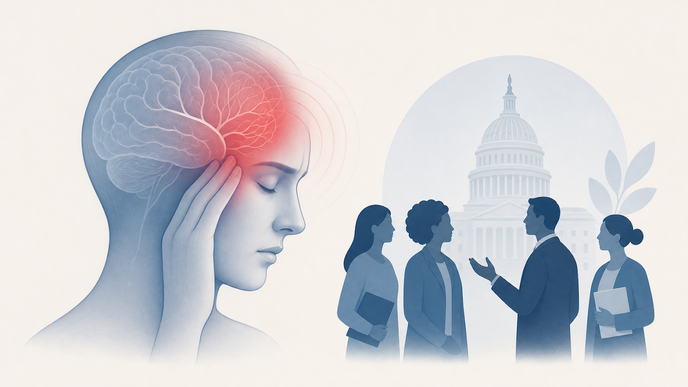
- The event brought together 282 advocates from 47 states, including patients, caregivers, researchers, clinicians, and about 20 youth advocates.
- The HEADACHE Act, the Safe Step Act, and the CONNECT for Health Act were the highlighted federal priorities.
- Headache Care Rooms and dedicated youth programming were part of the event’s accessibility and participation supports.
Advocates came from 47 states and included patients, caregivers, researchers, clinicians, and about 20 youth advocates. The group brought together people living with headache disorders and professionals involved in studying, treating, or organizing around them. Organizers also described this year’s meeting as possibly the largest Headache on the Hill so far, without presenting it as a verified historical comparison. In meetings with lawmakers and staff, participants combined lived experience with clinical insight to describe the burden of headache disorders. Supporters elsewhere in the country also contacted their elected officials, while the in-person coalition remained the event’s defining feature.
Three legislative efforts anchored congressional meetings and staff visits, with priorities spanning research, care, coverage, and telehealth. The HEADACHE Act was described as establishing a national strategy for migraine and headache disorders across research, care, and public health. The Safe Step Act was presented as placing guardrails on step therapy. The CONNECT for Health Act was tied to broader telehealth access for Medicare beneficiaries. Together, these priorities reflected ongoing gaps in treatment, coverage, and research and formed the core messages carried into congressional offices.
Headache Care Rooms were available during the conference and on Capitol Hill for attendees who developed headache symptoms during the day. Those spaces offered rest, symptom management, and basic comfort supplies. The setup incorporated symptom needs into the event schedule as an on-site access measure. Youth advocates also had dedicated programming developed with The Headache Alliance, US Pain Foundation, and CHAMP to support participation across age groups. These features were part of the effort to keep participation accessible and inclusive while policy meetings continued.