Transcript
Announcer:
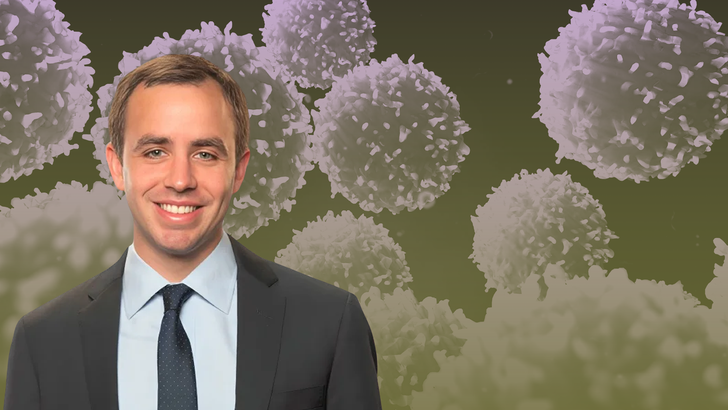
This is Project Oncology on ReachMD. Today, we’ll hear from Dr. Benjamin Garmezy, a board-certified medical oncologist and hematologist who serves as Associate Director of Genitourinary Research at the Sarah Cannon Research Institute in Nashville, Tennessee. He’ll be exploring emerging drug classes and biomarkers shaping the future of urothelial cancer treatment. Here’s Dr. Garmezy now.
Dr. Garmezy:
We don't know which of these drugs will be the biggest in the future, but there are some classes of medicine that I'm excited about. T-cell engagers—which are IV infusions of drugs that essentially have an antibody with hands, where one hand will grab onto the cancer and one hand will grab on to the immune system of the person we're giving the drug to to try to engage the patient's immune system to the cancer more actively—have looked promising.
We have FDA approvals in small cell lung cancer, uveal melanoma, and hematologic malignancy, and now we're soon, I think, on the frontier of having them, potentially, in prostate cancer. But I think urothelial cancer can be next. We're working hard on that, and I think that's an exciting treatment modality. Can we bring radioligand therapy into bladder cancer, which is FDA approved in prostate cancer? That means infusions of, basically, radiation that goes targeted to the tumor cells, which is exciting. And then, of course, there's small molecule inhibitors that may be also able to help stop urothelial cancer from spreading.
So I would say the world is bright in drug development. There are lots of new immunotherapies and lots of new antibody-drug conjugates to, again, bring therapy directly to the cancer and drop a toxin right at the site. So, I would say, stay tuned. More data will be presented this year and next year with some of these new drugs, and I think, eventually, instead of having a few options, we'll have many options for patients as they progress through their treatments to help them live as long as they can.
I think, from a biomarker standpoint, we're getting really, really good with ctDNA. How can we look at DNA from the cancer cells circulating in the blood on just a blood draw to better guide our therapy on how to, one, escalate patients who are at risk of needing something sooner, but also deescalate and spare the side effects from some of these drugs. So stay tuned, but it’s very exciting on both those fronts.
Announcer:
That was Dr. Benjamin Garmezy talking about where bladder cancer drug development is headed next. To access this and other episodes in our series, visit Project Oncology on ReachMD.com, where you can Be Part of the Knowledge. Thanks for listening!