
Transcript
Announcer:
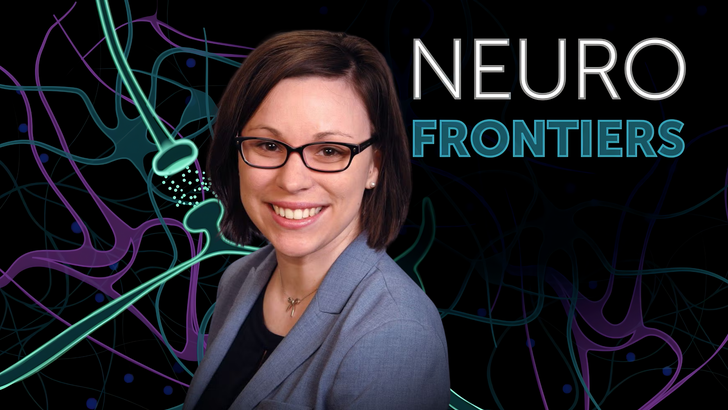
You’re listening to NeuroFrontiers on ReachMD. On this episode, we’ll hear from Dr. Elizabeth Gromisch, who’s a research neuropsychologist at the Joyce D. and Andrew J. Mandell Center for Comprehensive Multiple Sclerosis Care and Neuroscience Research at Mount Sinai Rehabilitation Hospital, Trinity Health of New England. She’ll be discussing the use of cognitive screening tools in multiple sclerosis care, which she also presented on at the 2026 Consortium of Multiple Sclerosis Centers Annual Meeting. Let's hear from Dr. Gromisch now.
Dr. Gromisch:
As a neuropsychologist, what I'm looking forward to most at CMSC this year is the presentation from IMSCOGS and the ECTRIMS consensus criteria about diagnosing and monitoring cognitive impairment in MS. One of the topics I believe is going to be covered is the consensus of what level of impairment is indicative that we should do further follow-up for cognitive testing in MS.
One of my areas of research, also related to cognitive screenings, is creating more accessible cognitive screening tools that can be administered in the clinic and integrated more easily into the clinic and the electronic health record.
We're definitely entering the digital age with cognitive screenings, and that's allowing more tools to be developed for people living with MS. So one of our projects is MSCogScreen, which is a multi-domain cognitive screening battery we've co-developed with people living with MS. We've designed it to assess all the cognitive domains we know are affected in MS in a really brief period of time in an accessible format.
A big part of what we did was making sure that even if the patient has visual impairments, they can still interact with the test and complete it and also making enough versions so you can do repeat testing. So we're going to be seeing more of these type of tools, whether it's ones that are done in clinic or ones that can be done remotely, where patients can do testing on their phone and then send it to their provider. That's going to make cognitive screenings not only more accessible to people with MS regardless of where they are, but it's also going to help that patient-provider communication. If they know patients are concerned about their cognition and they have the tools to be able to monitor and express when they're having concerns, it can be a lot easier to design those clinic sessions to address those concerns and bring people to the next level in their care.
Announcer:
That was Dr. Elizabeth Gromisch discussing approaches to cognitive screening for multiple sclerosis. To access this and other episodes in our series, visit NeuroFrontiers on ReachMD dot com, where you can Be Part of the Knowledge. Thanks for listening!

