
Transcript
Announcer:
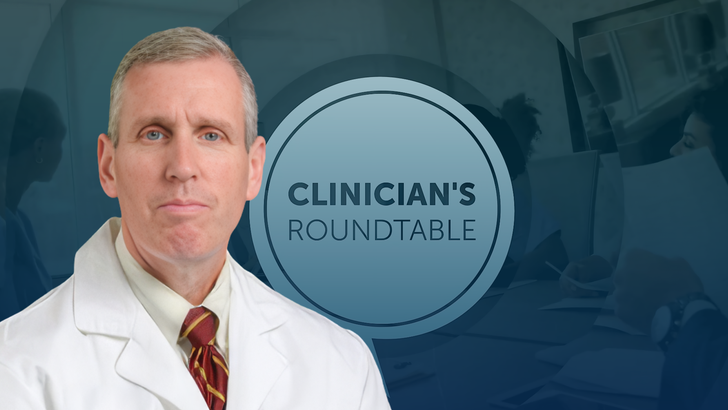
You’re listening to Clinician’s Roundtable on ReachMD. On this episode, we’ll hear from Dr. Gregory Kane, the Jane and Leonard Korman Professor of Pulmonary Medicine and Chair of the Department of Medicine at the Sidney Kimmel Medical College at Thomas Jefferson University in Philadelphia. He’ll be discussing current challenges in caring for patients with Long COVID. Here’s Dr. Kane now.
Dr. Kane:
There are a number of structural barriers that impact patients who suffer from Long COVID and perhaps prevent them from getting the medical attention that they really need. In many ways, this population is an orphan population. I say that because they're not getting the awareness, they're not getting the attention, and they're not getting the care that they need and deserve.
Now, there are some characteristic findings among patients who have Long COVID. There is a more consistent incidence of post-exertional malaise, and we can identify patients because of that unique characteristic. But there are a multitude of symptoms that impact this population, including brain fog, neurological symptoms, gastrointestinal symptoms, and cardiac symptoms. And I think we need a more organized approach for patients that are suffering with Long COVID.
My hope is that if we can identify a diagnostic test that can help us understand which patients are suffering with the long-term impact of this virus on their immune system, on their neurological system, on their respiratory system, and on their metabolism, my hope is that maybe we can have a greater impact early on.
To date, I'm sorry to say that we don't have such a diagnostic rubric, and this is one of the challenges that we're facing. But I want to remind the listeners that there are a number of diseases which have only been recently identified. For example, alpha-gal syndrome has only recently been recognized. No doubt, people suffered from this disease before it was formally diagnosed. And now that we have a diagnostic approach, I think patients are feeling supported, greater satisfaction with the medical care that they're receiving, and a greater impact on their quality of life. We need that to happen with Long COVID, and I'm hopeful it will over the coming years.
Announcer:
That was Dr. Gregory Kane talking about challenges in Long COVID management. To access this and other episodes in our series, visit Clinician’s Roundtable on ReachMD.com, where you can Be Part of the Knowledge. Thanks for listening!

