Transcript
Announcer:
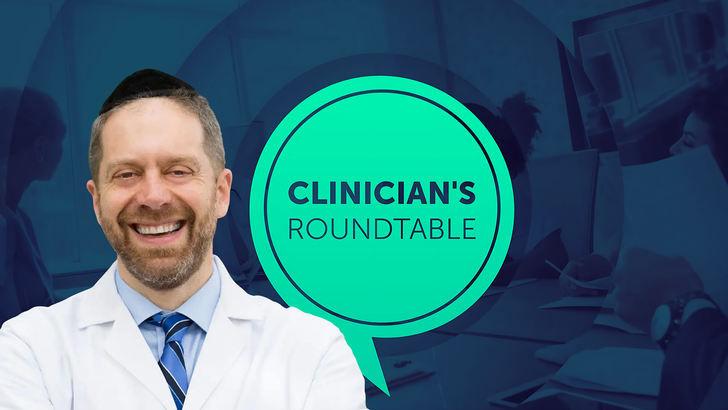
This is Clinician’s Roundtable on ReachMD, and on this episode, we’ll hear from Dr. Alex Polotsky. He’s a Professor and the Division Chief of Reproductive Endocrinology, Infertility, and Reproductive Sciences at University of Colorado Anschutz. Dr. Polotsky will be discussing the importance of providing psychological care to patients coping with infertility. Let’s hear from him now.
Dr. Polotsky:
A lot of times, psychological challenges may be underscored or highlighted in the preliminary steps of the fertility treatment process, making sure that they are comfortable with environment, have all of their questions answered—or as many as possible—and get support for what is a very important undertaking.
We have appropriate resources for folks who need them, and it's important to recognize that even though the IVF process is very well streamlined on a clinical basis, individualized care and patient-centered care is what you should be looking for because at the end of the day, non-medical considerations are much more important to get the best outcome that you want.
Psychological support is something that should be available to anyone, either upon request or sometimes to help with the decision-making process and to figure out what will be the right avenue for them. And so we invite folks to utilize a variety of different measures. There are support groups and professionals in mental health and in the counsel realm that provide specialized care. A lot of it is something that clinicians should recognize, hopefully sooner rather than later, because many patients would benefit from appropriate comprehensive care.
One of the most important considerations here is that most of the time, fertility medicine physicians and reproductive endocrinologists are not dealing with something that's considered to be life-threatening. At the same time, it is a very important and vital part of well-being for the individual or couple.
And so we want to make sure that their needs are addressed in the most appropriate way, and that may not necessarily be the same for every single person. So the best way to put it together is that individualized patient-centered care is what we should be striving to achieve. We invite patients to be their own advocates, and we will do our best to be the advocates for our patients.
Announcer:
That was Dr. Alex Polotsky explaining why psychological care is so important for patients coping with infertility. To access this and other episodes in our series, visit Clinician’s Roundtable on ReachMD.com, where you can Be Part of the Knowledge. Thanks for listening!