
Transcript
Announcer:
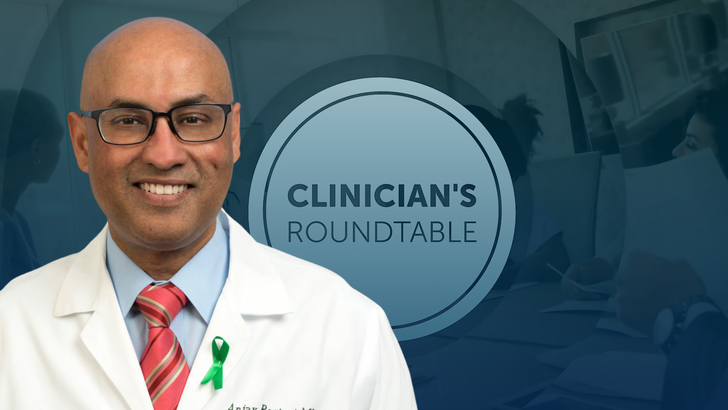
Welcome to Clinician’s Roundtable on ReachMD. Today, we’ll learn about the role of the pathologist in diagnosing and treating IgA nephropathy from Dr. Anjay Rastogi. Dr. Rastogi is a Professor of Medicine and Clinical Chief of Nephrology at the David Geffen School of Medicine at UCLA. He's also the Director of the UCLA CORE Kidney Health Program. Let’s hear from him now.
Dr. Rastogi:
The pathologists work behind the scenes. They really don't have any direct contact with the patients. But unfortunately, sometimes they don't even have direct contact with the nephrologist, because we get the report, we look at it, and then we make our decision. And we read the headlines.
I think for a condition like IgA nephropathy, with such rapidly evolving information, therapeutics, and diagnostics, it's really important to speak to the pathologist and read between the lines rather than headlines. I speak to my pathologist at my own institution. We have a nephropathologist and they give such great insight.
Now, the pathologist might not have all the information about your patient, so it's always good to either send them a note saying this is what brought the patient in and this is what we did, and ask them what they think. And you'll be so surprised how much insight and input the pathologists have.
So I think the partnership between the pathologist and the nephrologist has to be solidified and their role has to be really enhanced in the overall care of our patients.
Announcer:
That was Dr. Anjay Rastogi discussing how pathologists can make a difference in IgA nephropathy management. To access this and other episodes in our series, visit Clinician’s Roundtable on ReachMD.com, where you can Be Part of the Knowledge. Thanks for listening.
