
Transcript
ReachMD Announcer:
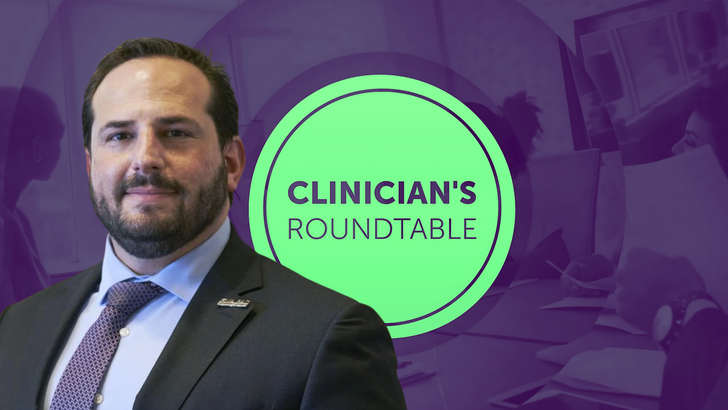
This is Clinician’s Roundtable on ReachMD. On this episode, we’ll hear from Dr. Jason Goldman, who’s the President of the American College of Physicians as well as their liaison to the CDC Advisory Committee on Immunization Practices. He’ll be sharing insights on addressing misinformation and effectively communicating the science behind COVID-19 vaccines.
Here’s Dr. Goldman now.
Dr. Goldman:
One of the biggest challenges is dealing with the amount of misinformation, disinformation, and other factors when talking about vaccines because there is so much noise out there on social media and other platforms that it’s difficult for patients to know who to trust.
One of the strategies in discussions with patients is listening to their concerns, addressing their concerns, being respectful, and having them express what they are unsure about, what they want to know, why they have fears, and why they don’t want a vaccine. The challenge is, once you’ve listened, acknowledged those concerns, and addressed them, some patients may never agree or listen or are so stuck in doctrine or what they believe online that you can’t, no matter what you tell them, get through and have them accept the vaccine. Those are the most challenging cases.
But at the end of the day, our role is to educate and inform. We give the best guidance we can. Ultimately, it’s every individual’s decision to listen to that or not, but we have to stick to the science and the information, continue to express what is true and known, express the gaps in knowledge and what we don’t know, but also be honest, compassionate, transparent, and respectful, listen to the concerns, and also stay behind and support the science that we know.
In looking towards the future, one of the biggest issues around communication is trying to explain a very complex process through the lens of public perception, and that can be very challenging and very difficult because it is not a simple one-minute video that you can do on social media. It takes a lot of time to really delve into. But one of the things that really needs to be understood, especially about vaccines, is what we mean by effectiveness, efficacy, how they work, and why they work. That message, I think, was lost during the pandemic, where they thought if you got the vaccine, you had a force field around you from future infections, and that’s not the case.
We have to be clear on our endpoints of effectiveness and what we’re to accomplish. Prevention of hospitalization, prevention of death, and prevention of serious illness are the goals. We may not be able to stop someone from being infected, but we can stop them from getting severely ill, being hospitalized, or even succumbing to death. So that is part of the communication strategy. And then looking at the studies, what are we trying to accomplish with vaccination? How do they work, why do they work, and what can people expect when they get vaccinated? You may still get sick, but you won’t get as sick compared to being non-vaccinated, so that really becomes a key in communication and understanding of how we handle vaccines.
ReachMD Announcer:
That was Dr. Jason Goldman talking about COVID-19 vaccine communication and misinformation. To access this and other episodes in our series, visit Clinician’s Roundtable on ReachMD.com, where you can Be Part of the Knowledge. Thanks for listening!

