
COPD-OSA Overlap: Diagnostic and Management Gaps
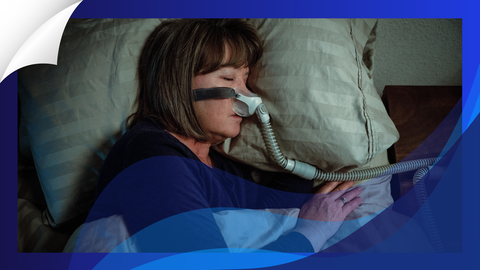
Sleep-disordered breathing contributes to outcomes in chronic obstructive pulmonary disease (COPD), yet its role—particularly that of obstructive sleep apnea (OSA)—is underrecognized.
A recent review by Voulgaris et al. examines the coexistence of COPD and OSA, termed overlap syndrome, bringing this gap into focus. The authors highlight a subgroup of patients characterized by more pronounced nocturnal hypoxemia, higher cardiovascular risk, and more frequent exacerbations. These findings suggest that current standard of care may be insufficient and emphasize the need for a more comprehensive, individualized management approach.
Why Overlap Syndrome Challenges Conventional Care
Overlap syndrome, defined by the coexistence of COPD and OSA, affects a relatively small proportion of the general population, estimated at around 1% to 4%, but is far more common within COPD or OSA cohorts. Patients with overlap syndrome experience worse nocturnal hypoxemia and carry a higher burden of comorbid disease, particularly cardiovascular conditions. They also demonstrate increased rates of COPD exacerbations and mortality compared with patients who have either COPD or OSA alone.
Despite these risks, the significance of diagnosing and managing OSA in COPD has not been fully incorporated into major COPD strategic frameworks, including those of the Global Initiative for Chronic Obstructive Lung Disease.
Diagnostic Limitations in Routine Practice
Identifying overlap syndrome remains challenging because symptom patterns do not reliably distinguish it from COPD or OSA alone. Patients with overlap syndrome may report fewer classic OSA symptoms such as daytime sleepiness or loud snoring, even in the presence of clinically significant disease.
Standard screening tools for OSA, including commonly used questionnaires, show limited predictive value for OSA in COPD populations. Objective clinical variables such as body mass index and cardiovascular comorbidities may better predict OSA than self-reported symptoms, though no single approach is sufficient.
Polysomnography remains the diagnostic standard, with home sleep testing serving as an alternative in selected cases. The review emphasizes that negative screening tests should not exclude further evaluation when clinical suspicion remains high.
Treatment Beyond a Single Modality
Positive airway pressure therapy is the central intervention for OSA and has demonstrated benefits in overlap syndrome, including reductions in exacerbations, hospitalizations, and mortality.
However, the review argues that reliance on positive airway pressure alone is insufficient. Many patients require more individualized approaches, particularly those with hypercapnia or persistent hypoventilation, where noninvasive ventilation may be more appropriate. Decisions between continuous positive airway pressure and bilevel ventilation may be guided by physiologic features such as carbon dioxide retention and tolerance to therapy, though clear guidance remains limited.
Pharmacologic management introduces additional uncertainty. While COPD therapies such as bronchodilators and inhaled corticosteroids may improve nocturnal oxygenation or sleep quality, their specific role in overlap syndrome has not been well defined. Evidence supporting early or intensified therapy, including triple inhaler regimens, is largely extrapolated from COPD populations rather than directly studied in overlap cohorts.
Outcomes and the Importance of Adherence
The prognostic impact of treating overlap syndrome is consistent across multiple studies. Patients who receive and adhere to positive airway pressure therapy show reductions in exacerbations, improved lung function, and lower mortality risk over time.
In contrast, untreated overlap syndrome is associated with significantly worse outcomes, including higher rates of hospitalization and increased cardiovascular risk. These differences underscore the importance of both diagnosis and sustained treatment adherence.
Implications for Clinical Practice
The review highlights limitations of disease-specific management in overlap syndrome and underscores the need for a more integrated approach. This includes coordinated evaluation of sleep, respiratory physiology, and comorbid disease, along with treatment strategies that extend beyond standard protocols. Continued research and clearer clinical guidance will be essential to support effective, patient-centered management.
Reference:
Voulgaris A, Gogali A, Kostikas K, Steiropoulos P. Management of COPD-OSA overlap syndrome beyond standard care. COPD. 2026;23(1):2599583. doi:10.1080/15412555.2025.2599583