
Zasocitinib Outperforms Deucravacitinib in Phase 3 Head-to-Head Psoriasis Trial
Key Takeaways
- In the phase 3 LATITUDE Atlas head-to-head trial, zasocitinib achieved significantly higher PASI 100, PASI 90, and sPGA 0 response rates at week 16 than deucravacitinib in adults with moderate-to-severe plaque psoriasis.
- More than 2.5 times as many patients receiving zasocitinib achieved PASI 100 at week 16 compared with deucravacitinib (36.5% vs 13.9%; P < .001).
- Additional LATITUDE analyses found durable skin clearance and early improvements in itch and quality of life, outcomes that Linda Stein Gold, MD, said provide a broader view of treatment success beyond visible skin clearance.
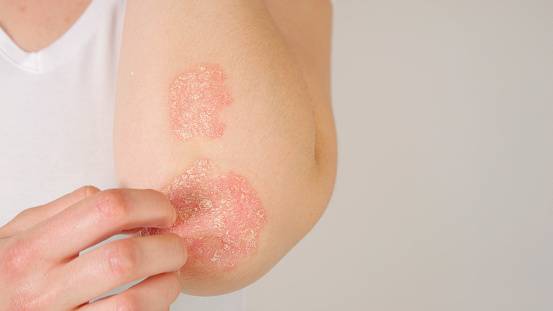
Investigational oral tyrosine kinase 2 (TYK2) inhibitor zasocitinib (TAK-279) demonstrated superior skin clearance compared with deucravacitinib in adults with moderate-to-severe plaque psoriasis, according to phase 3 data presented at the European Academy of Dermatology & Venereology (EADV) Congress 2026.
The randomized, double-blind LATITUDE Atlas trial enrolled 606 adults who received zasocitinib 30 mg once daily or deucravacitinib 6 mg once daily for 16 weeks. At week 16, 36.5% of patients receiving zasocitinib achieved PASI 100, the study's primary endpoint, compared with 13.9% receiving deucravacitinib (P < .001). PASI 90 rates were 62.5% and 34.0%, respectively (P < .001), while sPGA 0 was achieved by 43.2% and 18.5%, respectively (P < .001).
Durability and Patient-Reported Outcomes Add Context
Linda Stein Gold, MD, director of Dermatology Clinical Research at Henry Ford Health and principal investigator for LATITUDE Atlas, told Practical Dermatology the findings may reflect pharmacologic differences between the TYK2 inhibitors.
“When we look at the molecule, we see this is something that is highly selective, appears to be highly potent, [and] takes an effect over the course of an entire day,” Dr. Stein Gold said.
Additional analyses of the LATITUDE PsO 3001 and 3002 trials showed that among patients who achieved a response at week 24, up to 93% maintained skin-clearance responses through longer-term follow-up. Patients receiving zasocitinib also reported improvements in psoriasis symptoms, including itch, beginning at week 2 and quality-of-life improvements beginning at week 4.
“When we look at treatment success for patients, we really have to look at it in two ways,” Dr. Stein Gold said. “We look at it objectively,” but we also need to consider how patients are feeling"
“Itch is an important component of psoriasis for a lot of patients, and for some patients, this is one of the things that bothers them the most,” she added. “The idea that we can see a rapid itch improvement is very important to our patients.”