
Upadacitinib Meets Primary Endpoint in Two Phase 3 Alopecia Areata Trials
Key Takeaways
- Two phase 3 studies looked at once-daily upadacitinib 15 mg and 30 mg in 1,399 adults and adolescents with severe alopecia areata.
- At week 24, approximately 45% of patients receiving 15 mg and 54% to 55% receiving 30 mg achieved a SALT score of 20 or less, compared with 1.5% to 3.4% receiving placebo.
- No new safety findings were identified; common treatment-emergent adverse events included upper respiratory tract infection, acne, elevated blood creatine phosphokinase, and nasopharyngitis.
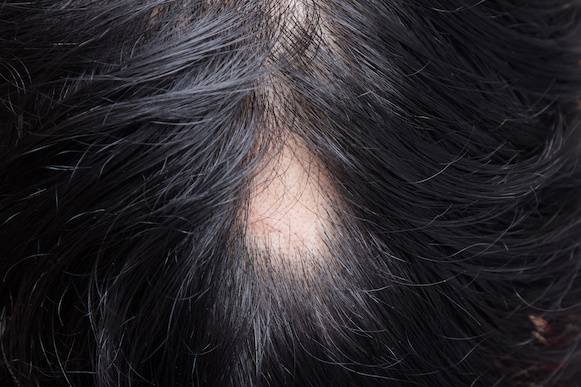
New data suggests upadacitinib was associated with significantly greater scalp hair regrowth than placebo among adults and adolescents with severe alopecia areata (AA), according to findings published online August 12 in JAMA Dermatology.
The replicate UP-AA1 and UP-AA2 trials enrolled 1,399 patients aged 12 to 64 years with severe AA, defined as a Severity of Alopecia Tool (SALT) score of 50 or greater. Participants had a mean baseline SALT score of 83.9 and were randomized 2:2:1 to once-daily upadacitinib 15 mg, upadacitinib 30 mg, or placebo. The studies included a 24-week double-blind, placebo-controlled period followed by a 28-week blinded extension.
Upadacitinib Met Primary Hair Regrowth Endpoint
At week 24, 45.2% and 44.6% of patients receiving upadacitinib 15 mg in UP-AA1 and UP-AA2, respectively, achieved the primary endpoint of SALT 20 or less, corresponding to at least 80% scalp hair coverage. Rates were 55.0% and 54.3% with the 30-mg dose, compared with 1.5% and 3.4% with placebo. Secondary endpoints also favored upadacitinib, including measures of complete scalp hair regrowth, eyebrow and eyelash improvement, patient-reported global improvement, and AA-specific health-related quality of life.
Safety findings were similar between adults and adolescents and were consistent with the drug’s profile in approved indications. The authors reported no new safety findings.
“In these 2 parallel phase 3 replicate randomized clinical trials, upadacitinib demonstrated a positive benefit-risk profile in adults and adolescents with severe AA,” the authors wrote. “Upadacitinib may be a potentially effective treatment option for this patient population.”
Source
Mostaghimi A, et al. JAMA Dermatology. 2026. Doi:10.1001/jamadermatol.2026.2853