
Ultrasound Detects Subclinical Joint and Nail Changes in Pediatric Psoriasis
Key Takeaways
- Children with psoriasis had more frequent subclinical synovitis on ultrasound despite lacking clinical signs of arthritis, a recent study suggests.
- Nail ultrasound findings, including thicker nail beds and abnormal nail structure, were significantly more common in the psoriasis cohort.
- The authors said the results supported musculoskeletal ultrasound as a potential tool for identifying early inflammatory changes in pediatric psoriasis.
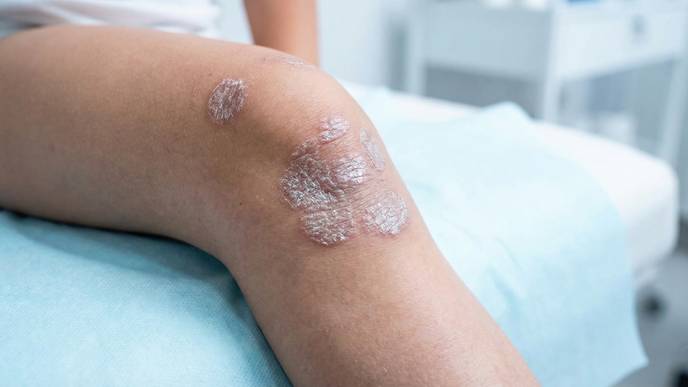
Musculoskeletal ultrasound may help identify early inflammatory changes in children with psoriasis before the onset of clinically apparent arthritis, according to findings from a pilot study evaluating joint, entheseal, and nail abnormalities in pediatric patients.
Investigators publishing in Dermatologic Surgery enrolled 15 children with psoriasis who were not receiving systemic therapy and had no clinical signs of arthritis, alongside 13 age- and sex-matched healthy controls. Participants underwent ultrasound examination of multiple joints, entheses, and nails using standardized B-mode and power Doppler (PD) imaging protocols.
Children with psoriasis demonstrated significantly more subclinical synovitis overall in the fingers, knees, and ankles compared with healthy controls (P = 0.047), although no single joint reached statistical significance independently. PD positivity at entheseal sites was observed in 2 patients with psoriasis and 2 controls. Patients with psoriasis had significantly thicker nail beds compared with controls (1.6 mm vs 1.4 mm; P < 0.001), along with a higher frequency of abnormal nail structure (70% vs 21.2%; P < 0.001). The most commonly observed abnormalities were type II nail morphology changes, based on the Wortsman classification system.
Abnormal clinical nail findings were associated with thicker nail plates and nail beds on ultrasound in the psoriasis cohort. PD-mode positivity in the nail bed and matrix was more frequently observed in healthy controls.
“Ultrasound is a useful tool for evaluating inflammatory joint and nail findings that may help delineate subclinical joint inflammation in children with psoriasis,” the authors concluded.
Source
Drake C, et al. Dermatologic Surgery. 2026. Doi:0.1097/DSS.0000000000004907