
Trimodal Prehabilitation in Major Abdominal Surgery: Systematic Review and Meta-Analysis
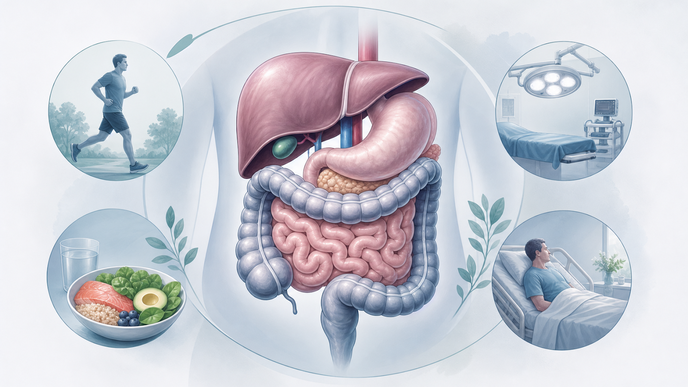
Key Takeaways
- Trimodal prehabilitation was the only modality reported to significantly reduce postoperative complications and shorten hospital stay.
- Trimodal prehabilitation and MICT + RT + BT were associated with better preoperative 6-minute walk test performance, with gains maintained 2 months after surgery.
The analysis examined preoperative rehabilitation interventions in adults undergoing major abdominal surgery to clarify which modalities showed the strongest effects. Among 852 screened studies, 32 were included in the final synthesis after eligibility review and data extraction. Using BUGSnet and JAGS with a random-effects model, investigators estimated ORs for dichotomous outcomes and MDs for continuous outcomes, with quality assessed using RoB2.
For perioperative outcomes, only trimodal prehabilitation reached statistical significance for both postoperative complications and hospital stay across the compared interventions. It was associated with an OR of 0.45 (95% CrI 0.24–0.76) for complications and a mean difference of −1.34 days (95% CrI −2.15 to −0.57) for length of stay. Other evaluated prehabilitation modalities were not associated with significant improvement in those two perioperative endpoints in this analysis. The perioperative signal was limited to the trimodal approach combining exercise, nutrition, and anxiety reduction strategies.
Functional findings focused on walking capacity before surgery and during follow-up. Both trimodal prehabilitation and MICT + RT + BT improved preoperative 6-minute walk test scores, and those gains were maintained 2 months after surgery. These comparisons were made within the broader use of preoperative rehabilitation to support postoperative recovery in major abdominal surgery.