
Surgical Therapy and Glycemic Outcomes in Diabetic Gastroparesis
Key Takeaways
- HbA1c declined in the surgical cohort and rose in the nonoperative cohort over follow-up.
- Among patients eligible for each analysis, severe hyperglycemia and new fast-acting and long-acting insulin use were less common in the surgical cohort.
- Diabetes complications, emergency visits, and hospitalizations were less frequent in the surgical cohort, while 5-year mortality was the same in both groups.
This retrospective multicenter cohort study used the TriNetX US Collaborative Network, which includes more than 70 US health care organizations and more than 100 million patients. Researchers identified 95,328 adults aged 18 years or older with diabetes and gastroparesis between 2010 and 2023. After 1:1 propensity score matching, each cohort included 2,272 patients, mean follow-up was about 3.5 years, and the primary outcome was mean HbA1c over follow-up. Follow-up began 1 month after the index date; annual HbA1c was based on the most recent value from the prior year, and outcomes included glycemic status, insulin initiation, complications, utilization, and mortality.
Baseline HbA1c was similar in the matched groups at 6.80% and 6.93% (P = .10), then changed by minus 0.51 and plus 0.28 percentage points by study end. At 1 year, mean HbA1c was 6.16% in the surgical cohort and 7.20% in the nonoperative cohort. Among patients with baseline HbA1c 7% or greater, adequate glycemic control occurred in 42.4% versus 32.6%; among those with baseline HbA1c less than 10%, severe hyperglycemia occurred in 6.4% versus 11.7%, with a nonoperative hazard ratio of 1.89. Among baseline nonusers, fast-acting insulin was started in 11.9% versus 27.9% and long-acting insulin in 9.9% versus 23.2%, with corresponding nonoperative hazard ratios of 2.54 and 2.50. These measures showed a consistent glycemic separation between groups.
At 5 years, any diabetes complication occurred in 53.2% of the surgical cohort and 63.3% of the nonoperative cohort. Emergency department visits occurred in 41.7% versus 54.7%, and hospitalizations in 45.5% versus 59.0%. DKA or hyperosmolar hyperglycemic state and hypoglycemia were also assessed; no short-term increase in hypoglycemia appeared after surgery, and long-term hypoglycemia rates were higher with nonoperative management. Five-year mortality was 10.4% in both groups, despite differences in complications and utilization.
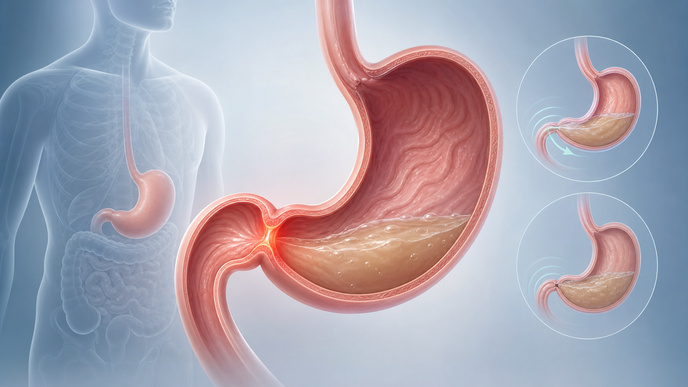
In subgroup analyses within the surgical cohort, HbA1c declined in both type 1 and type 2 diabetes despite higher baseline values in type 1 disease. Baseline HbA1c was 9.95% versus 6.59%, and the 5-year decrease was 0.48 versus 0.59 percentage points. For procedure type, baseline HbA1c was 7.88% with gastric electrical stimulation and 6.60% with pyloric drainage, and adequate control was less common with stimulation.
These subgroup comparisons were not propensity matched, and the authors noted residual confounding and coded-data misclassification. Gastroparesis symptom severity and gastric emptying measures were unavailable, some patients may have had other delayed emptying causes, and causation cannot be established.