
SNaPP Trial Finds Small Pulmonary Benefit for Sugammadex
Key Takeaways
- Sugammadex was associated with a lower rate of the composite pulmonary outcome or death than neostigmine.
- The observed difference was small, statistically significant, and was mainly linked to lower atelectasis rates.
- Pneumonia, pulmonary aspiration, unplanned intensive care or high dependency unit admission, days alive and at home at 30 days, and health-related quality of life at three months were not meaningfully different.
The study was a large, multicentre, randomized, controlled phase 4 trial led by The University of Melbourne and the ANZCA Clinical Trials Network. It compared sugammadex with neostigmine for reversal of rocuronium- or vecuronium-induced neuromuscular blockade in patients aged 40 years and older undergoing abdominal or thoracic surgery. The trial enrolled 3500 participants across 44 sites in Australia, Aotearoa New Zealand, and Hong Kong. The primary outcome was postoperative pulmonary complications or death up to hospital discharge, or postoperative day seven for patients still in hospital. Recruitment finished in just under two years, almost a year ahead of schedule.
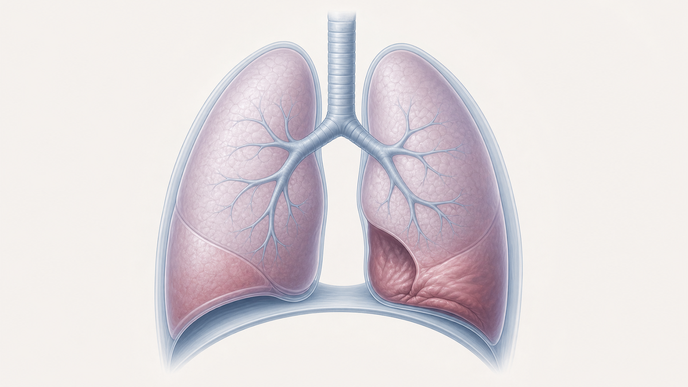
The reduction in the composite endpoint was small but statistically significant and was mainly driven by a lower incidence of atelectasis rather than a wider shift across pulmonary events. No meaningful differences were reported for pneumonia, pulmonary aspiration, unplanned intensive care or high dependency unit admission, days alive and at home at 30 days, or health-related quality of life at three months. The observed advantage was concentrated in one component rather than spread across several downstream measures.
The authors concluded that sugammadex reduced postoperative pulmonary complications or death compared with neostigmine, while cautioning that the absolute risk reduction was small and that the longer-term clinical significance of the atelectasis finding remained uncertain. Professor Kate Leslie presented the results at the 8th Biennial Collaborative Clinical Trials in Anaesthesia Conference in Prato, Italy, coinciding with publication on Wednesday 10 June 2026. The study received A$2.9 million from the Medical Research Future Fund, and Professor Leslie said a simple protocol and broad eligibility criteria supported trial delivery.