
Rapalogix Health Launches Re-Q Pro-Longevity Serum with Focus on Cellular Skin Aging
Key Takeaways
- Rapalogix Health launched Re-Q Pro-Longevity Face Serum to target cellular skin aging through TORC1 modulation and fibroblast support.
- Clinical data presented during the webinar showed improvements in skin firmness, texture, radiance, and elasticity after 12 weeks of use.
- Speakers highlighted skin longevity as an emerging category focused on maintaining healthy skin function alongside traditional skincare treatments.
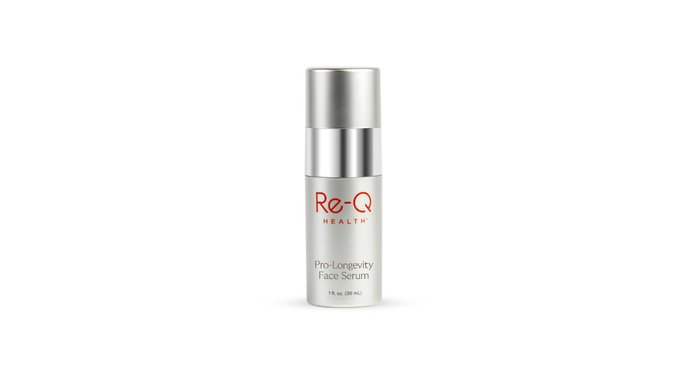
Rapalogix Health has introduced its new Re-Q Pro-Longevity Face Serum during a virtual launch event on Thursday, May 7, featuring co-Founder and board-certified dermatologist Doris Day, MD, and co-Founder and CEO Rahul Mehta. The webinar focused on the science behind the product and the company’s broader approach to what it describes as “skin longevity.”
According to Mehta, the serum is designed to address cellular aging processes in the skin rather than only targeting visible signs such as wrinkles or uneven texture. The product’s active ingredient, RLX201, works by modulating the TORC1 pathway, a cellular signaling mechanism associated with aging and tissue repair. Mehta explained that aging skin cells can become “exhausted,” limiting their ability to effectively produce collagen and elastin over time.
“Our goal is to see if we can turn these exhausted cells into more healthy cells before you apply all the anti-aging treatments,” Mehta said during the webinar. “And so that’s the whole premise behind launching the Re-Q.”
Dr. Day reviewed findings from a 12-week double-blind, placebo-controlled clinical study involving 45 participants between the ages of 35 and 65. The study evaluated changes in firmness, skin tone, elasticity, and overall skin quality. According to Day, participants using the serum demonstrated measurable improvements in skin firmness, radiance, and texture compared with the placebo group.

Day also emphasized the company’s focus on supporting long-term skin function rather than only cosmetic improvement.
“Longevity is maintaining the healthy function and regenerative capacity of skin at the cellular level,” she said. “And I think anyone who doesn’t go by that definition is doing just anti-aging, improving how the skin looks, but not true longevity.”
The speakers also discussed ongoing research involving fibroblast activity, skin barrier function, and post-procedure skin recovery, with future studies expected to further examine the role of cellular repair pathways in skin health.