
Randomized Trial Tests Platelet Rich Plasma for Grade 2 Hamstring Injuries
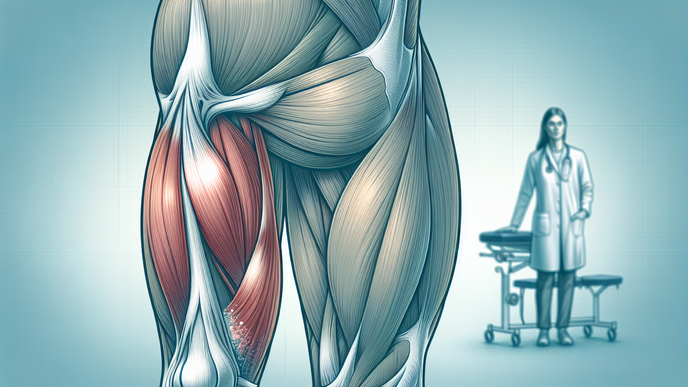
Key Takeaways
- This randomized trial compared platelet rich plasma with standard therapy alone in grade 2 hamstring muscle injuries.
- Reported outcome domains included the recovery course, return to play or return to sport, pain-related measures, radiological healing, reinjury rates, and safety outcomes.
- Safety and reinjury outcomes were included in the trial summary when those data were reported in the abstract.
The comparison focused on clinically relevant recovery outcomes after injury. By focusing on a defined hamstring injury grade rather than a mixed muscle injury group, the trial kept the question clinically specific. Investigators framed the assessment around outcomes followed in sports medicine care after strain. Reported outcome domains included recovery, pain, return to sport, radiological healing, reinjury, and safety.
The enrolled population consisted of 60 athletes with MRI-confirmed grade 2 hamstring muscle injuries within a randomized trial design, with 30 assigned to platelet rich plasma plus standard therapy and 30 to standard therapy alone. That establishes a controlled comparison with defined group sizes and imaging confirmation of injury. Comparator care and platelet rich plasma administration were central design elements, with ultrasound-guided injection specified in the abstract.
The main findings centered on recovery-related outcomes after acute hamstring injury, with return to play defined as the primary endpoint. Time to return to play was significantly shorter in the platelet rich plasma group (26.4 ± 4.5 vs 34.2 ± 5.7 days; p < 0.001). Radiological healing at 21 days was greater in the platelet rich plasma group (70% vs 36.7%; p = 0.003). Pain-related measures and patient-reported outcomes were part of the reported comparison where applicable. In practical terms, the endpoints focused on how recovery progressed and how symptoms and structural healing were assessed during follow-up.
Safety reporting was also part of the trial framework because adverse events and reinjury outcomes can shape the interpretation of recovery after hamstring injury. Reinjury rates were lower in the platelet rich plasma group (3.3% vs 16.7%), although this difference was not statistically significant (p = 0.09). No adverse events were reported.
Overall, the randomized comparison showed that platelet rich plasma with standard rehabilitation accelerated return to play and improved radiological healing in grade 2 hamstring muscle injuries across recovery, return to sport, pain, and safety outcomes.