
Previous Septoplasty Linked to Lower Cosmetic Satisfaction Following Rhinoplasty
Key Takeaways
- Patients undergoing rhinoseptoplasty experienced improvements in nasal function, quality of life, and self-esteem regardless of previous septoplasty history.
- Previous septoplasty was associated with lower early overall satisfaction and lower cosmetic satisfaction at both 1 and 6 months compared with patients without prior septal surgery.
- The prospective study included 75 patients and found that prior septoplasty did not preclude meaningful postoperative improvement, although aesthetic recovery differed between groups.
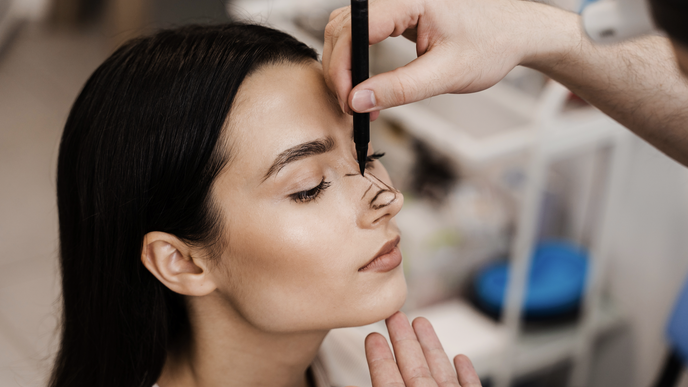
A prospective study published in Journal of Clinical Medicine found that patients with a history of septoplasty reported lower cosmetic satisfaction following rhinoseptoplasty than those undergoing surgery without previous septal intervention, despite improvements in nasal function and psychological well-being in both groups.1
Researchers evaluated 75 patients undergoing rhinoseptoplasty, including 47 women (62.7%) and 28 men (37.3%), aged 18 to 63 years (mean age, 34.24 years). Of these, 27 patients (36%) had previously undergone septoplasty, including 7 who required auricular cartilage grafting. The remaining 48 patients (64%) had no history of septal surgery.
Investigators assessed functional and aesthetic outcomes using the Rhinoplasty Outcome Evaluation (ROE), Standardised Cosmesis and Health Nasal Outcomes Survey (SCHNOS), and Nasal Obstruction Symptom Evaluation (NOSE) questionnaires before surgery and at 1 and 6 months postoperatively. Quality of life and self-esteem were evaluated using the World Health Organization Quality of Life-BREF and a self-esteem scale.
Prior Septoplasty Associated With Differences in Patient Satisfaction
Both groups demonstrated postoperative improvements in aesthetic outcomes. However, patients with previous septoplasty reported lower overall rhinoplasty satisfaction at 1 month and lower cosmetic satisfaction at both 1 and 6 months, reflected by higher SCHNOS-C scores.
NOSE scores improved substantially in both groups. Quality of life and self-esteem also increased significantly following surgery, regardless of surgical history.
"Rhinoseptoplasty was followed by significant improvement in nasal function, quality of life and self-esteem; in the absence of a non-operated control group, these changes represent observed pre- to postoperative change rather than proof of surgical causation," the authors wrote. "Previous septoplasty may be associated with less favourable early functional and aesthetic recovery, but it does not prevent meaningful postoperative improvement. These patients may require more detailed preoperative planning and counselling."
1. Jadczak M, Breazu AV, Toma CV, Jurkiewicz D, Krzywdzińska S. Does previous septoplasty affect rhinoplasty outcomes? A comparative analysis of functional, psychological and self-assessment measures. J Clin Med. 2026;15(20):7819. doi:10.3390/jcm15207819