
Physical and Respiratory Training in Myasthenia Gravis: Systematic Review and Meta-Analysis
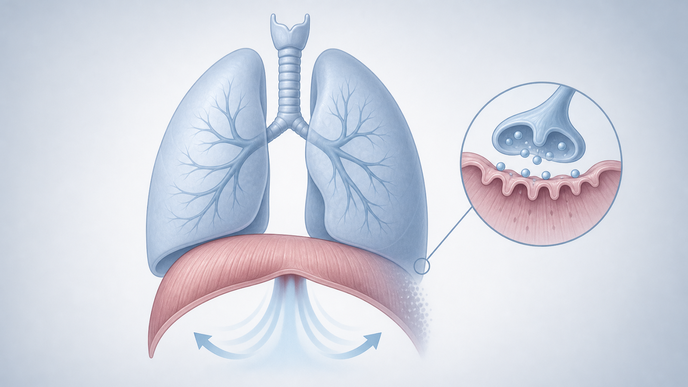
Key Takeaways
- Across 20 myasthenia gravis studies, physical activity and respiratory muscle training were associated with improvements in several symptom and quality-of-life measures in adults with MGFA class I-III disease.
- MG-QOL15 favored training, while pooled analyses for MG-ADL, 6MWT, and several respiratory measures were more variable or imprecise.
The review followed PRISMA methods and drew on searches of PubMed, Scopus, Web of Science, and CINAHL Complete conducted during April and May 2025. Of 1,564 records identified, 20 studies entered qualitative synthesis and 10 contributed to quantitative meta-analyses. Seven were randomized clinical trials, while the rest used non-randomized, quasi-experimental, or observational designs in adults aged 16 to 75 years.
Across 1,366 participants with MGFA class I-III disease, interventions included walking, cycling, strength training, and respiratory muscle work, although five studies did not specify activity type. Outcomes spanned symptom severity, quality of life, daily functioning, fitness and endurance, strength, fatigue, and respiratory function.
Symptom measures generally favored training, with a pooled Besinger standardized mean difference of -2.63 (95% CI -5.22 to -0.03), though heterogeneity was high at I2 = 94%. Quality-of-life findings were more consistent: MG-QOL15 showed a pooled mean difference of -5.63 points (95% CI -5.72 to -5.53) with I2 = 0%. Daily-function results were less clear, with an MG-ADL standardized mean difference of -0.40 (95% CI -0.94 to 0.14) and I2 = 74%. One randomized trial also reported MGC scores falling from 5.4 ± 2.32 to 2.4 ± 1.84 in the intervention group. Overall, symptom and quality-of-life signals were stronger than the pooled estimate for daily activity.
Endurance findings were more mixed, with a pooled 6MWT standardized mean difference of 0.38 (95% CI -0.13 to 0.88) and I2 = 42%. In studies of respiratory muscle training, one trial found inspiratory muscle strength increased from 56 ± 22 to 71 ± 27 cmH2O. Pooled respiratory analyses showed a standardized mean difference of 0.61 for FVC (95% CI -0.33 to 1.55; I2 = 86%). FEV1 showed a standardized mean difference of 3.04 (95% CI 0.05 to 6.02), while PImax showed a standardized mean difference of 2.94 (95% CI 0.22 to 5.66), with I2 values of 94% and 91%, respectively. Overall, respiratory results were positive in direction but uneven across pooled analyses.
Seven studies reported dropouts linked to adherence difficulty, personal reasons, lack of time, myasthenic crises, and comorbidities including kidney disease, cancer, pulmonary embolism, and surgical complications. One study noted control-group hospitalizations, while another described bulbar symptoms, increased fatigue, and a withdrawal potentially related to training.
Notably, interventions and designs were heterogeneous, small studies were common, blinding was often unclear, and funnel plots suggested the potential for publication bias.