
PanOxyl Portfolio Highlights Accessibility and Long-Term Acne Management During Virtual Deskside
Key Takeaways
- Speakers emphasized the importance of early acne intervention to help reduce the risk of long-term physical and emotional scarring.
- Benzoyl peroxide remains a cornerstone of acne management because of its efficacy, accessibility, and lack of bacterial resistance concerns associated with topical antibiotics.
- Revance representatives and dermatologist Suneel Chilukuri, MD, highlighted growing consumer engagement with the PanOxyl portfolio, including benzoyl peroxide, adapalene, salicylic acid, sulfur-based products, hydrocolloid patches, and hypochlorous acid spray.
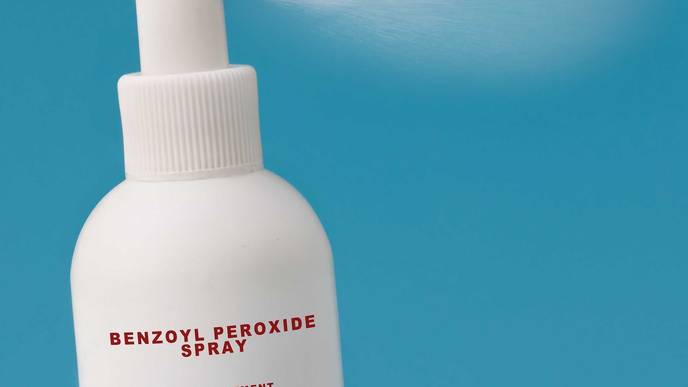
Acne management requires a broader approach than simply targeting active breakouts, according to speakers during a virtual media deskside hosted by Revance. The discussion focused on over-the-counter acne management strategies with the PanOxyl brand as well as procedural options for acne scar treatment.
Suneel Chilukuri, MD, FAAD, FACMS, a board-certified dermatologist and cosmetic surgeon based in Houston, emphasized the prevalence and psychosocial burden of acne across multiple age groups.
“Acne is not just skin deep,” Dr. Chilukuri said during the discussion. “There’s a really emotional component that goes on with acne.”
Dr. Chilukuri noted that acne affects more than 85% of individuals between approximately ages 12 and 22, while persistent adult acne remains common among women in their 20s through 50s. He stressed that early intervention may help reduce the likelihood of long-term scarring and post-inflammatory pigmentary changes.
BENZOYL PEROXIDE MAINTAINS CENTRAL ROLE IN ACNE TREATMENT
The discussion highlighted benzoyl peroxide’s longstanding role in acne management. According to Dr. Chilukuri, benzoyl peroxide remains clinically relevant because of its antibacterial activity and lack of resistance concerns seen with some topical antibiotics.
“The way that benzoyl peroxide [works], it actually creates a little membrane change, so it changes the permeability of the membrane, and that leads to the death of the bacteria that cause acne,” he said.
Andrew Lipscomb, associate brand director of acne at Revance, described PanOxyl as a “legacy brand” with more than 50 years of dermatologist heritage. During the session, he outlined the company’s broader acne-care portfolio, including benzoyl peroxide washes, salicylic acid products, adapalene gel, sulfur formulations, hydrocolloid acne patches, and hypochlorous acid spray.
Dr. Chilukuri specifically highlighted the utility of lower-strength benzoyl peroxide washes for patients with sensitive or dry skin and described adapalene as beneficial for both active acne and prevention of acne-related scarring.
The panel also discussed hypochlorous acid spray as an adjunctive option for patients seeking a non-drying antimicrobial product. Dr. Chilukuri referenced prior research involving stabilized hypochlorous acid formulations and described potential utility for patients with acne-prone or sensitive skin.
Throughout the discussion, speakers repeatedly emphasized affordability and accessibility as important components of long-term adherence.
“Consistency and patience matter,” Dr. Chilukuri said. “Your skin health is definitely a journey. It’s not an overnight transformation.”