
ObesityWeek 2026 Preview: Amylin Therapies and Body Composition
Key Takeaways
- In REDEFINE 1, participants with obesity or overweight plus a weight-related comorbidity had previously disclosed mean weight loss at 68 weeks of 22.7% on CagriSema, 11.8% on cagrilintide, 16.1% on semaglutide, and 2.3% on placebo.
- EloraTZP produced greater reported weight reduction than its comparators, while adverse-event discontinuation varied across combination doses.
- Petrelintide reduced weight more than placebo in ZUPREME-1, while adverse-event discontinuation at its highest dose was similar to placebo.
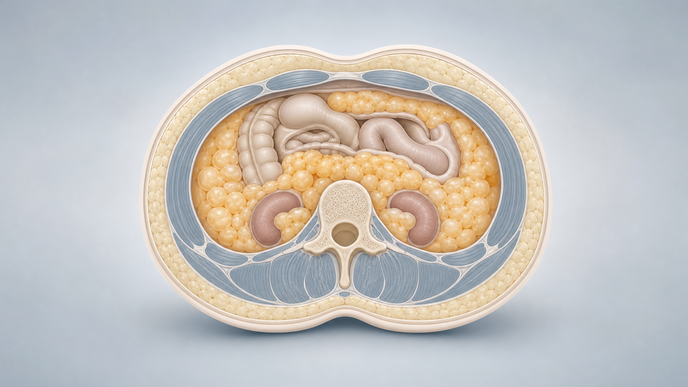
- Preliminary INLIGHT observations showed less visceral fat and more lean mass at a lower WVE-007 dose, but smaller fat declines and a slight lean-mass decline at a higher dose.
Phase 3 REDEFINE 1 compared cagrilintide plus semaglutide (CagriSema), each component, and placebo in people with obesity or overweight plus a weight-related comorbidity. Its primary assessments were relative body-weight change and the proportion achieving at least 5% loss. Separate programs included phase 2b eloralintide plus tirzepatide (EloraTZP), phase 2 ZUPREME-1 petrelintide versus placebo, safety-focused phase 1/2a INLIGHT WVE-007, and phase 2 taldefgrobep alfa. REDEFINE 1 and ZUPREME-1 post hoc analyses were scheduled; Lilly's planned presentation concerned preclinical obese-rat findings, not its human EloraTZP readout. Interim WVE-007 material was anticipated, and taldefgrobep alfa outcomes remained unreleased.
In its previously released phase 2b EloraTZP readout, the combination produced up to 23.3% mean weight loss at 48 weeks, compared with 14.8% on tirzepatide and 3% on placebo. Lilly also reported better blood sugar control with the combination than with either comparator. These were previously disclosed findings, not new results from an ObesityWeek presentation.
Adverse-event discontinuation across EloraTZP combination doses ranged from 10.8%–27%. Separately, phase 2 ZUPREME-1 reported mean weight reduction of 10.7% with petrelintide versus 1.7% with placebo at 48 weeks; adverse-event discontinuation at the highest petrelintide dose was 4.8% versus 4.9% with placebo. Discontinuation is not a measure of the incidence of all gastrointestinal symptoms. In preliminary INLIGHT observations at six months, the WVE-007 240-mg cohort had a significant decline in visceral fat from baseline, lower total fat, and higher lean mass. The 400-mg cohort had smaller declines in both fat measures and a slight decline in lean mass. No discontinuations or serious treatment-emergent adverse events were reported across INLIGHT treatment groups.
The programs differed in populations, doses, endpoints, and the timing of company disclosures, so their outcomes do not establish a ranking among therapies. Nausea, vomiting, and constipation are recognized issues with glucagon-like peptide-1 (GLP-1) treatment, but these program descriptions do not establish comparative symptom rates or an amylin-wide safety or persistence advantage. INLIGHT primarily assessed safety, and its body-composition observations were preliminary rather than evidence of preserved function. Company expectations for taldefgrobep alfa and lean mass preceded release of its phase 2 obesity outcomes. A broad commentator estimate about stopping treatment was not a persistence measurement in any featured program.
Previously disclosed programs reported weight loss and adverse-event discontinuation, while investigators and companies expected forthcoming presentations to address additional questions about fat and lean mass, function, and sustained treatment. Those expected outcomes remained distinct from the clinical findings already released before ObesityWeek.
Clinician Questions
Which CagriSema outcomes were scheduled for REDEFINE 1 post hoc analyses at ObesityWeek 2026?
In patients with obesity or overweight plus a weight-related comorbidity, planned REDEFINE 1 analyses of CagriSema concerned physical and psychosocial effects and differences by baseline body mass index and complications. Those post hoc findings had not been reported in any preconference account.
What did taldefgrobep alfa's phase 2 obesity study designate as primary versus secondary outcomes?
Among people with obesity or overweight, phase 2 taldefgrobep alfa compared weekly and monthly administration with placebo. Total body-weight change over 24 weeks was the primary endpoint, while fat- and lean-mass changes were secondary; no phase 2 results had been disclosed before ObesityWeek 2026, so lean-mass preservation had not been demonstrated.
What was known about setmelanotide for acquired hypothalamic obesity before its planned two-year presentation?
Setmelanotide, a melanocortin 4 receptor agonist, had been approved for acquired hypothalamic obesity in March. Previously disclosed phase 3 TRANSCEND findings described a placebo-adjusted body mass index reduction at 52 weeks; a separate planned presentation was expected to address duration of benefit, longer-term safety, tolerability, and persistence, with those follow-up findings not yet available.
This content is intended for healthcare professionals for educational purposes. The article and its image were developed with AI assistance and reviewed by members of the ReachMD team prior to publication. Please refer to the original source linked for the complete and most up-to-date information.