
Non-Drug Perioperative Strategies For PPC Prevention After Abdominal Surgery
Key Takeaways
- Low FiO2 had the strongest evidentiary support, while lung protective ventilation, physiotherapy, analgesia, and nutrition were also associated with fewer postoperative pulmonary complications.
- Individualised PEEP, composite lung protective ventilation, breathing exercises, and epidural analgesia had sufficient cumulative evidence; early mobilisation remained statistically favorable but inconclusive.
- Goal directed haemodynamic therapy, targeted blood pressure management, restrictive fluid therapy, and postoperative bi-level positive airway pressure were not linked to benefit, while drain omission showed a low-certainty risk signal.
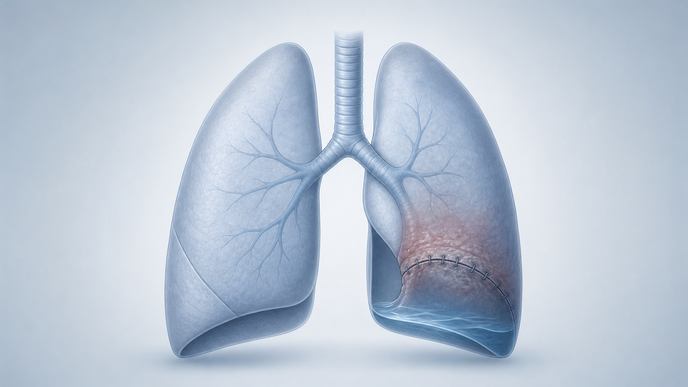
The analysis covered 10 perioperative non-drug intervention categories and 39 subtypes for adults undergoing elective abdominal surgery under general anesthesia. Searches included Ovid MEDLINE, Embase, and Web of Science from inception to 15 January 2025, with an update on 20 January 2026. The primary outcome was the proportion of patients who developed postoperative pulmonary complications, and secondary outcomes included pulmonary complication subtypes and hospital length of stay. Risk of bias was assessed with RoB 2.0, while certainty and cumulative evidence thresholds were examined with GRADE and trial sequential analysis. This approach distinguished interventions with firmer support from those with weaker or absent evidence.
Moderate-certainty reductions were seen with lung protective ventilation, RR 0.66 (95% CI 0.57 to 0.76), and physiotherapy, RR 0.55 (95% CI 0.46 to 0.65). Analgesia, RR 0.73 (95% CI 0.64 to 0.84), and nutrition, RR 0.74 (95% CI 0.63 to 0.87), also showed moderate-certainty benefit. Subtype analyses favored individualised PEEP, RR 0.65 (95% CI 0.51 to 0.83), and composite lung protective ventilation, RR 0.61 (95% CI 0.48 to 0.79). Early mobilisation, which usually began within 24 hours, had RR 0.56 (95% CI 0.31 to 0.99), and epidural analgesia had RR 0.76 (95% CI 0.65 to 0.90). Low FiO2 usually meant 30% oxygen versus 80% in controls, and trial sequential analysis and GRADE supported the listed benefits overall; however, early mobilisation had moderate-certainty GRADE benefit but inconclusive trial sequential analysis.
Moderate-certainty analyses did not show clear benefit for goal directed haemodynamic therapy, RR 0.91 (95% CI 0.79 to 1.05), or targeted blood pressure management, RR 0.94 (95% CI 0.66 to 1.33). Restrictive fluid therapy, RR 0.71 (95% CI 0.47 to 1.06), and postoperative bi-level positive airway pressure, RR 0.65 (95% CI 0.37 to 1.15), were also not significant. Among postoperative respiratory-support subtypes, high-flow nasal cannula was the only significant signal, whereas continuous positive airway pressure and pressure-support ventilation were not. Complete drain omission was associated with higher complication risk, RR 1.93 (95% CI 1.21 to 3.09), but the evidence was low certainty and hypothesis generating. Safety outcomes, cost effectiveness, acceptability, and feasibility were outside the assessed scope, leaving the main finding as an evidence hierarchy for postoperative pulmonary complication prevention.