
MFRF Plus Botulinum Toxin Shows Potential for Periorbital Aging
Key Takeaways
- Both botulinum toxin type A (BoNT/A) alone and microneedle fractional radiofrequency (MFRF) followed by BoNT/A improved dynamic and static crow’s feet during early and intermediate follow-up.
- Combination treatment was associated with longer-lasting within-group improvement through week 24 and better selected skin-quality measures, although between-group wrinkle-score differences were not statistically significant after multiplicity adjustment.
- The retrospective study included only 35 patients, supporting the need for larger prospective studies of standardized MFRF protocols.
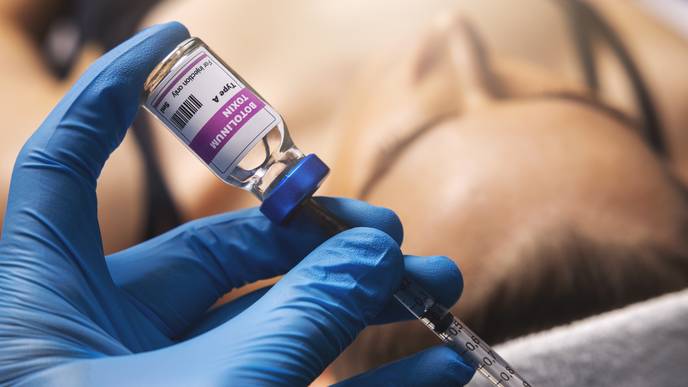
Combining microneedle fractional radiofrequency (MFRF) with botulinum toxin type A (BoNT/A) was associated with sustained improvement in crow’s feet and selected measures of skin quality through 24 weeks in a small retrospective cohort study published in Clinical, Cosmetic and Investigational Dermatology.
The study included 35 patients treated for periorbital aging between 2022 and 2025. Twenty received BoNT/A alone, while 15 underwent a single MFRF session followed by BoNT/A 1 week later. Investigators looked at dynamic and static crow’s feet, static infraorbital fine lines, Global Aesthetic Improvement Scale (GAIS) scores, skin biophysical parameters, and adverse events through week 24.
Combination Treatment Extended Within-Group Improvements
According to the data, dynamic crow’s feet improved from baseline through week 16 with BoNT/A alone and through week 24 with combination treatment. Static crow’s feet improved through weeks 12 and 24, respectively. Between-group differences in wrinkle scores remained statistically significant after Holm adjustment.
Combination therapy produced a higher GAIS score at week 16 (adjusted P = 0.004), greater improvement in elasticity at weeks 12, 16, and 24 (adjusted P ≤ 0.002), and a greater change in hydration at week 24 (adjusted P = 0.021). A transient increase in transepidermal water loss occurred at week 2 (adjusted P < 0.001). Procedural adverse events were transient, with no serious adverse events documented.
“Both regimens improved dynamic and static crow's feet during early and intermediate follow-up,” the authors concluded. “In this small, predominantly female cohort, the combination regimen was associated with greater improvement in selected skin-quality outcomes.”
Source
Li Y, et al. Aesthetic Surgery Journal. 2026. Doi:10.2147/CCID.S620438