
Mavacamten in Adolescents With Obstructive Hypertrophic Cardiomyopathy
Key Takeaways
- Mavacamten was associated with a greater reduction in Valsalva-provoked LVOT gradient at week 28 than placebo in symptomatic adolescents with obstructive hypertrophic cardiomyopathy.
- The phase 3, double-blind, randomized, placebo-controlled trial enrolled adolescents aged 12 to younger than 18 years with NYHA class II or III obstructive hypertrophic cardiomyopathy.
- Overall adverse event rates were similar, two serious adverse events occurred in each group, no patient had a reduction in LVEF to less than 50%, and no deaths occurred.
The phase 3 study used a double-blind, randomized, placebo-controlled design with 1:1 assignment to mavacamten or placebo. A total of 44 patients underwent randomization, with 23 assigned to mavacamten and 21 assigned to placebo. Eligible participants were adolescents 12 to younger than 18 years of age with NYHA class II or III obstructive hypertrophic cardiomyopathy. Mean age was 14.7±1.7 years in the mavacamten group and 14.6±1.7 years in the placebo group, while female representation was 8 of 23 and 5 of 21. Baseline Valsalva LVOT gradients were similar at 78.4±34.1 mm Hg and 80.8±47.4 mm Hg, respectively, at study entry.
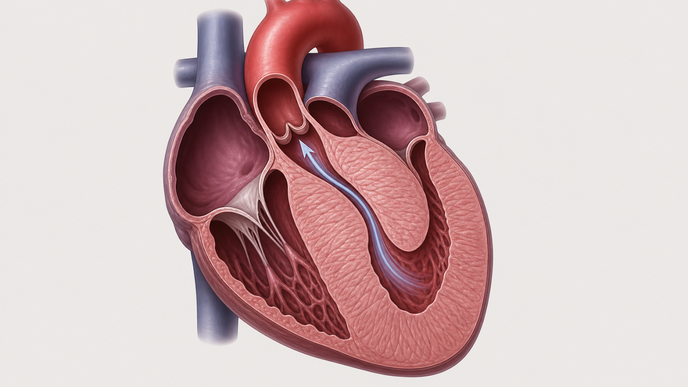
The prespecified primary end point was change from baseline to week 28 in LVOT pressure gradient provoked by the Valsalva maneuver. At week 28, the least-squares mean change was −48.5 mm Hg with mavacamten and −0.5 mm Hg with placebo. The between-group difference was −48.0 mm Hg, with a 95% confidence interval from −67.7 to −28.3 and P<0.001. The placebo group showed little change in the provoked gradient during follow-up. Investigators concluded that reduction in LVOT obstruction was significantly greater with mavacamten than with placebo over 28 weeks.
Adverse event incidence was similar in both groups, and two patients in each group had serious adverse events. Serious events were syncope and inappropriate ICD shock with mavacamten, and chest pain and depression with suicidal ideation with placebo. No patient had a reduction in left ventricular ejection fraction to less than 50%, and no deaths occurred during the trial. Bristol Myers Squibb funded the study, and the trial was identified as SCOUT-HCM, ClinicalTrials.gov number NCT06253221. The report was published online on March 29, 2026, and the findings reflect the trial's 28-week follow-up period.