
Malnutrition, Health Literacy Linked to HRQoL in Cirrhosis
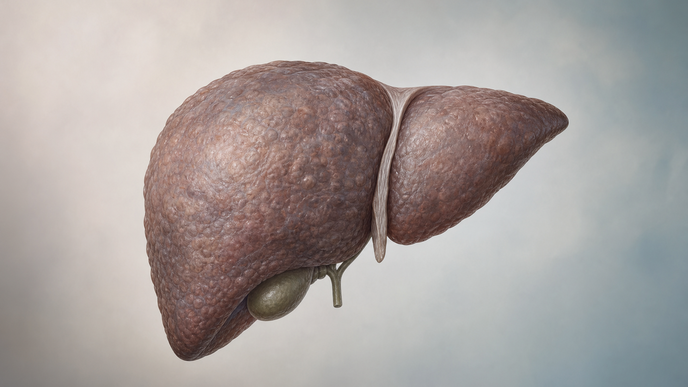
Key Takeaways
- Among patients described as having decompensated cirrhosis at a hospital in Taiyuan, China, those classified as malnourished had poorer health-related quality of life (HRQoL).
- Adding health literacy significantly increased the variation in HRQoL scores explained by the regression model.
- Poor sleep was associated with worse physical and psychological scores.
- Walking and aerobic exercise, compared with sedentary activity, and stronger communication ability were associated with better physical scores.
- Stronger information acquisition ability was associated with better psychological scores.
In a cross-sectional study, investigators obtained 202 valid responses from patients described as having decompensated cirrhosis at the First Hospital of Shanxi Medical University in Taiyuan, China. They used convenience sampling in the gastroenterology department from July 2024 to August 2025. Subjective Global Assessment (SGA) grades B and C were pooled as malnutrition and compared with grade A. The Chinese 24-item Health Literacy Management Scale (HeLMS) measured health literacy, with higher scores indicating better literacy. The summed EuroQol 5-Dimension 5-Level (EQ-5D-5L) measure spans 5–25, with higher scores indicating worse HRQoL rather than a higher utility value. Investigators recorded sleep as good, moderate, or poor and activity as sedentary, walking, or aerobic exercise. They used sequential regression models and separate physical and psychological analyses; the principal hierarchical regression included 191 complete cases after listwise deletion.
In the adjusted model before health literacy was added, malnutrition was associated with a higher summed EQ-5D-5L score—and thus poorer HRQoL—than SGA grade A (Model 2: B = 1.429; p = 0.027). Nutritional status also correlated with both physical and psychological scores. Literacy subdomains, sleep, and activity showed correlations with both dimensions; those correlations were distinct from the adjusted regression findings.
Adding health literacy increased the model’s explained variation in HRQoL scores, with R² rising from 0.285 to 0.392 (change = 0.107; p < 0.001). In the separate adjusted dimension analyses, poor sleep relative to good sleep was associated with worse physical and psychological scores. Walking and aerobic exercise relative to sedentary activity, and greater communication ability, were associated with better physical scores; older age and malnutrition were associated with worse physical scores. Greater information acquisition ability was associated with better psychological scores. The change in model fit describes an association within the sample, not a benefit from increasing health literacy.
Convenience sampling at one center and face-to-face data collection constrain whom the findings represent. Missing activity entries and unavailable liver-severity scores reduced the principal regression to complete-case analysis; the correlations and separate dimension analyses included more patients. Comorbidities were not explored. Because nutrition, literacy, sleep, activity, and quality of life were observed concurrently, their associations cannot establish direction or show that modifying any factor improves HRQoL. The authors identified longitudinal and intervention research as questions for future work.
Researchers concluded that nutritional status and health literacy accompanied differences in HRQoL among these patients with decompensated cirrhosis. The associations with sleep, activity, and literacy domains describe concurrent patient characteristics, not tested effects of changing them.
Clinician Questions
How were SGA nutrition categories combined for decompensated cirrhosis, and did the three-category analysis agree?
Among patients described as having decompensated cirrhosis in Taiyuan, SGA classified 114 as grade A/well nourished, 79 as grade B/mild-to-moderately malnourished, and 9 as grade C/severely malnourished. Investigators pooled grades B and C against A because grade C was small; an analysis retaining all three grades yielded consistent conclusions.
Who was eligible for the quality-of-life analysis of decompensated cirrhosis in Taiyuan?
Eligible patients described as having decompensated cirrhosis were at least 16 years old, had clinically confirmed cirrhosis, ate a regular diet without nutritional support, and had been hospitalized for more than two days. People unable to eat orally, those with past or current nutritional support, and those whose severe disability or dementia prevented assessment or effective communication were excluded.
Which health-literacy domains did HeLMS measure among patients with decompensated cirrhosis?
For patients described as having decompensated cirrhosis, the Chinese HeLMS covered information acquisition, communication and interaction, willingness to improve health, and willingness to provide economic support. Investigators defined the last domain to include willingness to invest personal resources such as time and energy in health-related behavior.