
LNG IUS Outperformed Hysteroscopic Niche Resection At 3 Years
Key Takeaways
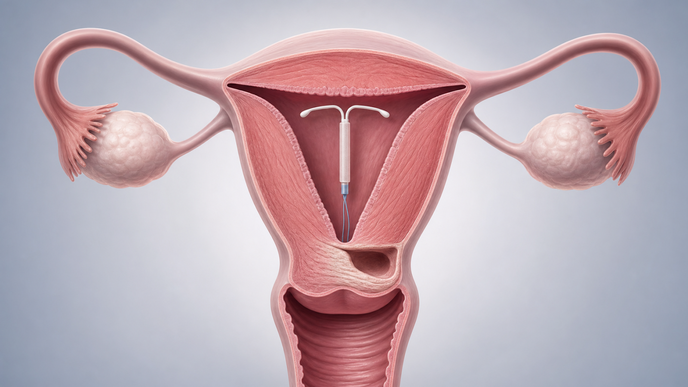
- Women assigned the levonorgestrel intrauterine system were more likely to meet the primary spotting reduction endpoint at 36 months.
- Improvement with the device continued through 36 months, while the hysteroscopic group improved through 24 months and then slightly worsened, with fewer bleeding days and less pelvic pain also reported in the device group.
- Hormone-related side effects and partial expulsions were reported with the device, whereas pregnancies were reported in the hysteroscopic group during follow-up.
This single-center randomized 3-year follow-up enrolled 208 women, with 104 assigned to each group. Eligible participants had postmenstrual spotting after cesarean delivery and MRI-confirmed niche depth of at least 2.0 mm. They also had residual myometrium of at least 2.2 mm and no plans to conceive within 1 year. As detailed in the American Journal of Obstetrics and Gynecology trial report, women received either the 52-mg levonorgestrel intrauterine system or hysteroscopic niche resection. Three-year follow-up was completed by 93 women in the device group and 89 in the hysteroscopic group.
The primary endpoint was the proportion of women with at least a 50% reduction in spotting from baseline at 36 months, and the relative risk favored the device at 1.91. The 95% confidence interval was 1.56 to 2.34, with P<.001. Spotting declined progressively through 36 months with the device, whereas the hysteroscopic group improved through 24 months and then showed a slight increase, with a significant time-treatment interaction at P=.007. Differences favored the device from 24 months onward in the repeated follow-up analyses. The device group also reported fewer spotting days, fewer bleeding days, and less pelvic pain from 6 months onward, with differences widening over time and reported P values below .001 and .010.
During follow-up, 20 women in the levonorgestrel intrauterine system group reported hormone-related side effects, and 2 experienced partial expulsions. In the hysteroscopic group, 5 pregnancies were reported, including 3 unintended and 2 planned. Secondary outcomes included menstrual patterns, spotting discomfort, chronic pelvic pain, and satisfaction with treatment at 18, 24, 30, and 36 months. The levonorgestrel system also offered contraceptive benefits in women with symptomatic niche during follow-up. The authors concluded that the levonorgestrel intrauterine system was superior over 36 months and described it as first-line for reproductive-age women without fertility plans for at least the next year.