
Hugo Robotic Prostatectomy Trial Meets Safety And Effectiveness Endpoints
Key Takeaways
- Across the three included operations, prespecified safety and effectiveness endpoints were achieved.
- Effectiveness was defined by freedom from conversion, and safety by 30-day Clavien-Dindo Grade ≥III complications.
- Major complications were highest after cystectomy and lowest after nephrectomy, while prostatectomy had the highest positive margin rate.
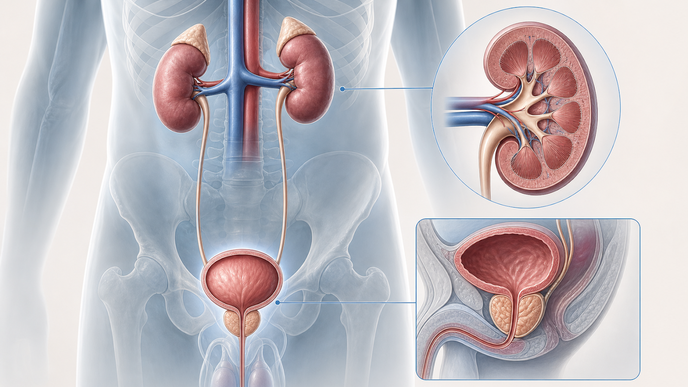
Expand URO was described as the first investigational study of the Hugo RAS system in the United States. Researchers conducted the prospective, single-arm, multicenter clinical trial at six medical centers and enrolled patients from December 2022 through September 2024. Eligible procedures were radical prostatectomy, radical cystectomy, and partial or radical nephrectomy, with 144 patients enrolled and 137 patients undergoing a procedure. The treated cohort included 55 prostatectomies, 29 cystectomies, and 53 nephrectomies, and 124 treated patients had oncologic disease. This design brought three major urologic operations into one U.S. investigational program for the platform, setting the context for the combined effectiveness and procedure-specific safety thresholds that followed.
The primary effectiveness endpoint was surgical success, defined as freedom from conversion, with a combined hypothesis requiring a rate above 85%. The primary safety endpoint was the 30-day major complication rate, defined as Clavien-Dindo Grade ≥III, with hypotheses below 20%, 45%, and 20% by procedure. The abstract listed safety hypotheses separately for radical prostatectomy, radical cystectomy, and nephrectomy rather than as a single pooled threshold. Across treated cases, the conversion rate was 1.5%, and major complication rates were 3.7% for prostatectomy, 17.9% for cystectomy, and 1.9% for nephrectomy. Investigators used these results to support the conclusion that the primary safety and effectiveness endpoints were achieved.
Short-term oncologic reporting included overall positive surgical margin rates of 21.8% for prostatectomy, 7.1% for cystectomy, and 2.4% for nephrectomy. Secondary endpoints covered operative characteristics and postoperative outcomes through 30 days.