
Gut Microbiome May Predict IBS Response to Rifaximin or Low FODMAP
Key Takeaways
- Both treatment groups had similar improvement in abdominal pain and bloating at five weeks.
- Baseline and follow-up stool microbiome profiles differed across low FODMAP responders, rifaximin responders, and non-responders.
- Breath testing did not predict response, and the findings were described as hypothesis-generating rather than definitive.
In a Michigan Medicine news summary, both groups had comparable, significant reductions in abdominal pain and bloating after five weeks. The study focused on relative response patterns between two established IBS-D treatments rather than placebo response. Baseline stool microbiome patterns also differed among patients who later responded to one therapy or did not respond to either approach. That microbial separation was framed as an early signal of response patterns, not a validated test.
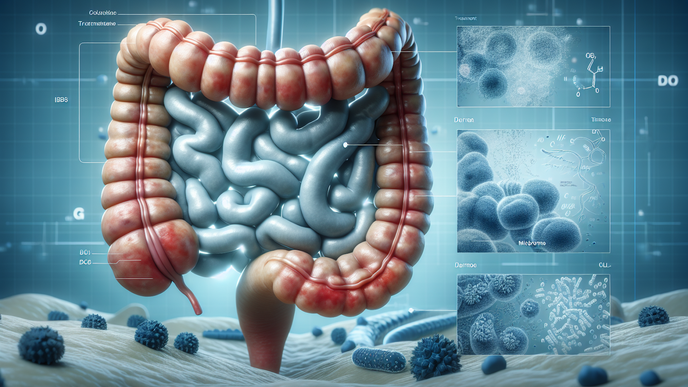
IBS affects 10% to 15% of adults in the United States, and the trial focused on the diarrhea-predominant subtype. Participants underwent baseline stool microbiome profiling and were randomized to a 14-day course of rifaximin or low FODMAP diet counseling. The summary described low FODMAP as a proven therapy that removes foods containing certain carbohydrates from the diet. It also noted that low FODMAP and rifaximin are each effective in fewer than half of patients, underscoring interest in treatment stratification. Stool samples were collected at weeks 0, 2, 4, and 5 to assess whether gut microbial testing might eventually help sort likely responders.
Investigators used serial stool data to examine whether particular bacterial features aligned with treatment response and improvement in different symptoms. Low FODMAP responders had lower baseline abundance of putative saccharolytic taxa and showed increasing microbial diversity over time. Rifaximin responders were enriched in taxa with potential short-chain fatty acid-producing and bile acid-modifying capabilities. Patients who did not respond to either therapy were enriched in putative proteolytic taxa, forming a different profile. Across both treatment strategies, these findings were described as microbial patterns associated with response groups rather than confirmed biological mechanisms.
Breath tests were also performed, but they did not predict treatment response in this population of adults with IBS-D. That contrasted with the separation seen in stool microbiome profiles collected across follow-up. Researchers described the findings as hypothesis-generating rather than definitive and said further validation is still needed. They also framed microbiome testing as a possible future route toward more precise treatment selection, while stopping short of suggesting current clinical readiness.
For now, the signal remains early-stage, exploratory, and non-definitive for routine treatment selection in practice.