
Falls Lead Head, Face, and Neck Injury Cases in NEISS Analysis
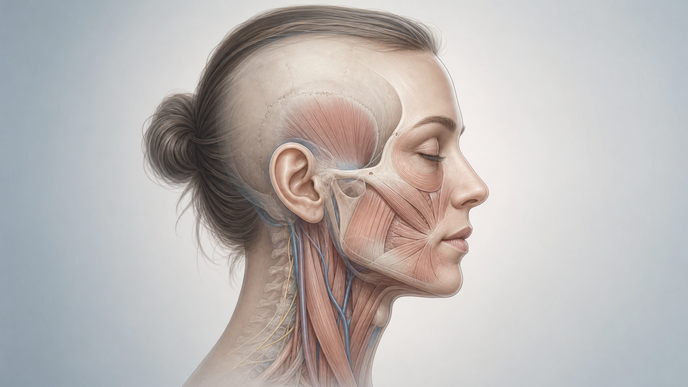
Key Takeaways
- Among U.S. emergency department presentations with National Electronic Injury Surveillance System (NEISS)-coded injuries to the head, face, eyes, mouth, neck, or ears, falls accounted for 53%.
- Admission occurred in 1.3% of toddlers versus 23.3% of older adults with these injuries.
- Syncope- or medical-related falls had 33.9% non-routine emergency department disposition among included injury presentations.
Investigators descriptively analyzed unweighted National Electronic Injury Surveillance System (NEISS) records from 2006 through 2025 for injuries to the head, face, eyes, mouth, neck, or ears in a 20-year analysis. The dataset included 2,345,287 presentations, representing 31.8% of NEISS-coded visits in the analyzed records, not of all U.S. ED visits. Investigators extracted demographics, anatomical site, injury setting, associated products or surfaces, and ED disposition. A rule-based classifier assigned free-text injury narratives to one of 17 mechanisms. Analyses compared recorded characteristics and outcomes, including non-routine ED disposition.
Annual unweighted counts of included cases rose from 105,727 in 2006 to 142,918 in 2025, a 35.2% increase in recorded cases. This comparison describes volume within the included surveillance records rather than a change in U.S. injury incidence. The head was the most frequently coded anatomical region, followed by the face.
Head-injury case counts increased 83.4% across the analyzed period. The median patient was an adolescent; males predominated overall, whereas females predominated among adults aged 65 and older. Most patients were treated and discharged. The home was the most commonly reported injury setting. Associated products or surfaces varied by age: beds appeared most often for infants, tables for toddlers, sports equipment for children and adolescents, and floors for older adults.
NEISS records are sampled, and these unweighted case counts cannot be treated as nationwide totals or converted into population incidence. Differences by age, classified mechanism, and ED disposition are descriptive comparisons, not adjusted estimates of causal risk. Disposition records what happened during the visit; it is not an established injury-severity score. The observed contrasts identify groups and circumstances for further investigation without establishing that a recorded characteristic predicts an individual patient's outcome.
According to the authors, differing patterns by age, sex, mechanism, setting, and disposition among these coded injury presentations may inform targeted prevention planning and future research on risk stratification for vulnerable age groups and injury mechanisms.
Clinician Questions
What counts as non-routine emergency department disposition after a head, face, or neck injury?
For NEISS-coded U.S. ED presentations involving the head, face, eyes, mouth, neck, or ears, investigators classified admission, transfer, observation, or fatality as non-routine ED disposition.
Do beds, tables, sports equipment, or floors identified with head, face, and neck injuries establish what caused the injury?
No. In the descriptive NEISS analysis of U.S. ED presentations involving the head, face, eyes, mouth, neck, or ears, beds, tables, sports equipment, and floors were recorded as products or surfaces associated with injuries, not proven causes.
Recommended Reading
- For more on associated injuries with facial trauma: Concomitant Injuries in 31.7% of Facial Fracture Patients