
Continuous Superficial Parasternal Blockade After Sternotomy
Key Takeaways
- Continuous blockade was not associated with lower sternal pain on standardized coughing at 24 hours than the single-injection blockade control strategy.
- No between-group differences were seen in secondary outcomes, including sternal pain within 48 hours, opioid use, quality of recovery, postoperative nausea or vomiting, and chronic sternal pain.
- One suspected local anesthetic systemic toxicity event occurred in the intervention group, and the authors concluded the continuous strategy did not demonstrate superiority over single-injection blockade.
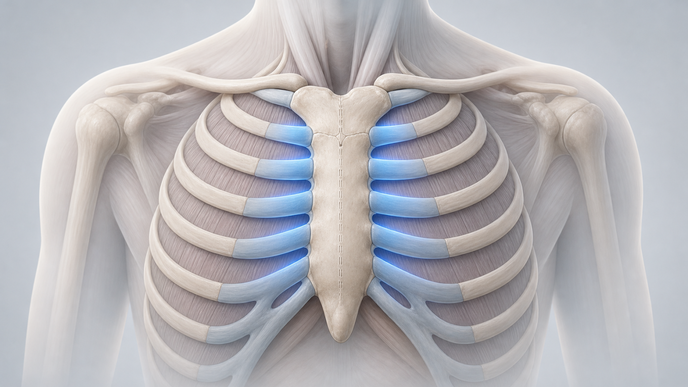
The randomized cardiac surgery study was conducted at a tertiary care center in Vancouver, British Columbia. The single-center parallel-arm superiority trial enrolled English-speaking adults scheduled for cardiac surgery with full median sternotomy. Eighty patients, 40 per group, were randomized 1:1 with sex stratification, permuted blocks, and blinding of patients, healthcare providers, outcome collectors, and data analysts. Both groups received bilateral superficial parasternal intercostal plane catheters with standardized multimodal analgesia during postoperative care. Each catheter then delivered a 20 mL ropivacaine 0.2% bolus, followed by ropivacaine in the intervention group or saline in controls at 3 mL/hour for 48 hours.
The primary outcome was the prespecified numeric rating scale score for sternal pain during standardized coughing at 24 hours after surgery. Mean scores were 4.0 (2.2) with continuous blockade and 3.9 (2.2) with the control infusion strategy. The adjusted mean difference was -0.2, with a 95% CI from -1.7 to 1.3 and a p value of 0.79. No between-group differences were seen in secondary outcomes, including sternal pain within 48 hours, opioid use, quality of recovery, postoperative nausea or vomiting, and chronic sternal pain. Results were closely aligned across the named efficacy measures.
One patient in the intervention group had suspected local anesthetic systemic toxicity and required unblinding. No other major complications were noted among the randomized patients during the study period after surgery. The authors concluded that continuous superficial parasternal intercostal plane blockade did not demonstrate superiority over single-injection blockade for reducing 24-hour coughing pain after full median sternotomy in this single-center trial.