
Case Series Evaluates Anatomy-Based Thread Lifting for Nasolabial Fold Rejuvenation
Key Takeaways
- An anatomy-guided, multi-vector thread lifting approach achieved sustained nasolabial fold improvement in most patients through 12 months in a 22-patient case series.
- Outcomes varied by nasolabial fold subtype, with Type III folds demonstrating greater long-term stability than Type II folds.
- No serious adverse events were reported, with complications described as minor and self-limiting.
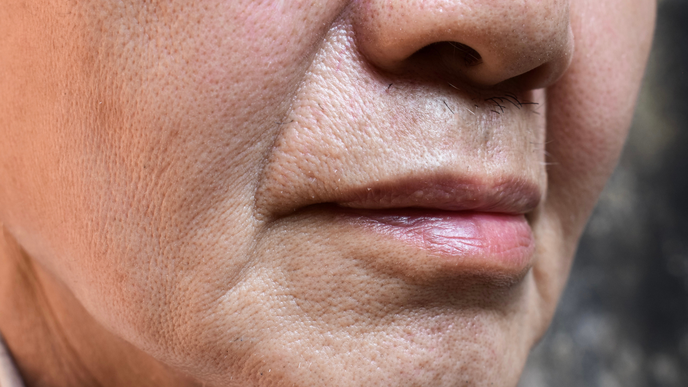
A personalized, anatomy-guided thread lifting strategy using multiple vector patterns demonstrated favorable aesthetic outcomes for nasolabial fold (NLF) correction in a small retrospective case series published in JPRAS Open.
In the study, investigators evaluated 22 patients treated with a refined thread lifting technique designed to account for individual facial anatomy, skin thickness, and NLF subtype. The approach combined barbed suspension threads for structural lifting with monofilament threads intended to provide superficial volumization and contour support.
The authors noted that NLF correction remains a persistent challenge in minimally invasive facial rejuvenation because fold formation involves both soft tissue descent and volume redistribution. Although thread lifting has gained traction as an alternative to surgical intervention, procedural success depends heavily on anatomical precision and vector placement.
Multi-Vector Thread Lifting Technique Shows Sustained Nasolabial Fold Improvement
The retrospective series included 17 women and 5 men with a mean age of 47.2 years who underwent treatment between March 2020 and December 2022. Rather than following a fixed protocol, clinicians selected thread type, quantity, and insertion vectors on an individualized basis after assessing facial structure and fold characteristics.
Clinical outcomes were assessed using standardized photography and the Global Aesthetic Improvement Scale (GAIS) during follow-up periods ranging from 6 to 18 months.
At 6 months, 90.9% of patients were rated as “improved” or “much improved” on the GAIS. Among patients available for 12-month follow-up, 77.8% maintained those ratings. Investigators also observed differences in durability according to NLF subtype. Type II folds demonstrated stronger early responses but showed greater regression over time, whereas Type III folds appeared to maintain correction more consistently during longer follow-up.
No serious adverse events were reported. Complications were described as minor and self-limiting, although the abstract did not specify the exact nature or frequency of events observed.
The authors emphasized that individualized vector planning and anatomical assessment may help optimize outcomes while minimizing procedural risks in thread lifting procedures targeting the midface and nasolabial region. However, the study was limited by its small sample size, retrospective design, and lack of a control group.
“Thread lifting for nasolabial fold correction can achieve favorable and durable outcomes when guided by individualized anatomical assessment and subtype-specific vector planning,” the authors wrote. “Further prospective studies with larger cohorts are needed to validate long-term efficacy and refine patient selection.”
Source
- An anatomy-guided multi-vector thread lifting strategy for nasolabial fold correction: Technique refinement and clinical outcomes in a 22-patient case series. JPRAS Open. 2026;50:208-215. doi:10.1016/j.jpra.2026.04.013