
Bilateral ESP Block In Breast Reduction Mammoplasty Trial
Key Takeaways
- At 24 hours, oral morphine milligram equivalent use was lower in the block group at 10.6 versus 17.5, with p=0.014.
- Mean PACU discharge time was 170 versus 213 minutes, and any PACU opioid use occurred in 59% versus 86.8%, with p=0.012 and p=0.006.
- Pain at discharge, 24-hour pain scores, nausea and vomiting in PACU, and anesthesia satisfaction were not significantly different, and the abstract did not describe adverse events or block complications.
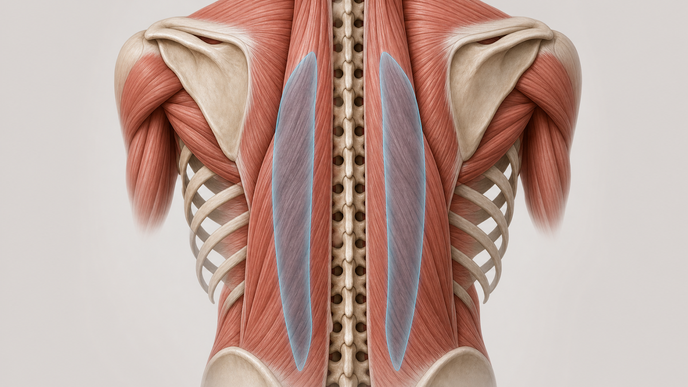
Researchers randomized 78 patients undergoing breast reduction mammoplasty in an ambulatory care setting to the block strategy or to standard analgesia alone. Participants assigned to the intervention received bilateral ultrasound-guided erector spinae plane blocks with 30 mL of 0.25% ropivacaine per side at T4. Both groups otherwise received standard multimodal analgesia. Paravertebral block was noted as the regional standard in breast surgery, and ESP block was described as potentially safer because of pneumothorax concerns. Outcomes centered on PACU recovery measures and events within the first 24 postoperative hours after ambulatory surgery.
PACU differences extended beyond 24-hour opioid consumption. Mean time from PACU admission to discharge was 170 minutes with the block and 213 minutes without it, with p=0.012. Any opioid use during the PACU stay occurred in 59% of patients given the block and 86.8% of those without it, with p=0.006. Opioid consumption across the first postoperative day was also described as lower in the block group.
Pain at discharge, pain scores at 24 hours, nausea and vomiting in PACU, and overall anesthesia satisfaction did not differ significantly between groups. Investigators therefore characterized the opioid reductions as clinically insignificant and not clinically meaningful in the immediate postoperative setting.