
Analysis: Antiepileptic Drugs Linked to Nearly One-Quarter of Global SJS/TEN Cases
Key Takeaways
- Antiepileptic drugs (AEDs) accounted for nearly one-quarter of Stevens-Johnson syndrome (SJS) and toxic epidermal necrolysis (TEN) cases worldwide in this meta-analysis.
- Aromatic AEDs were implicated in 96% of AED-associated cases, with carbamazepine, phenytoin, and lamotrigine representing the most common culprits.
- The proportion of AED-associated SJS/TEN was higher in children than adults and varied significantly by geographic region.
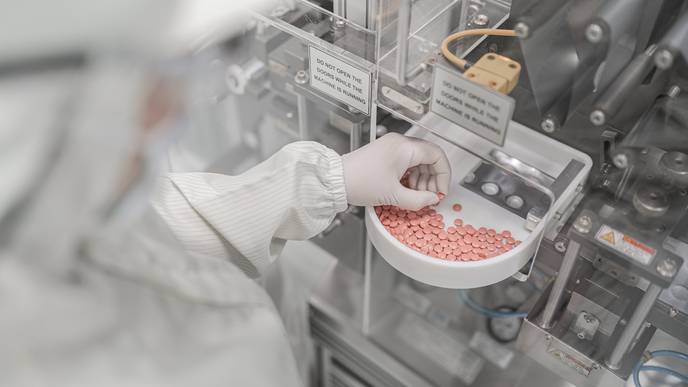
Antiepileptic drugs (AEDs) account for nearly one-quarter of Stevens-Johnson syndrome (SJS) and toxic epidermal necrolysis (TEN) cases reported worldwide, according to a systematic review and meta-analysis in JAMA Dermatology.
Aromatic AEDs Drive the Majority of Drug-Associated SJS/TEN Cases
The analysis included 50 observational studies comprising 4,403 patients with patient-level SJS/TEN trigger data. Investigators found that 23% (95% CI, 19% to 26%) of all SJS/TEN cases were attributed to AEDs, making the drug class one of the leading causes of these rare but potentially fatal severe cutaneous adverse reactions.
Single-drug triggers accounted for 88% (95% CI, 83%-92%) of reported cases. Among AED-associated SJS/TEN cases, aromatic AEDs were responsible for 96% (95% CI, 92% to 99%). Carbamazepine was the most frequently implicated agent (39% [95% CI, 29% to 50%] of AED-associated cases), followed by phenytoin (19%; 95% CI, 11% to 28%) and lamotrigine (15%; 95% CI, 8% to 22%). By comparison, nonaromatic AEDs were rarely implicated, representing just 2% (95% CI, 0%- to %) of cases.
The investigators also identified important demographic differences. AED-associated SJS/TEN occurred more frequently in children than adults, with pooled proportions of 35% (95% CI, 22% to 48%) versus 23% (95% CI, 20% to 27%), respectively. Geographic variation was also observed, ranging from 42% in West Asia to 10% in Africa (P < 0.001).
SJS and TEN are among the most severe forms of drug hypersensitivity, with reported mortality rates approaching 50%. The authors noted that understanding regional prescribing patterns and drug-specific risks may help inform treatment selection.
"In this systematic review and meta-analysis of observational studies, AEDs accounted for nearly one-quarter of SJS/TEN cases reported worldwide, predominantly involving aromatic AEDs, such as carbamazepine, phenytoin, and lamotrigine," the authors wrote. "These findings suggest aromatic AEDs as leading contributors to SJS/TEN and support the preferential use of nonaromatic AEDs when clinically appropriate."
Source
Lee E, et al. JAMA Dermatology. 2026. Doi:10.1001/jamadermatol.2026.2473