
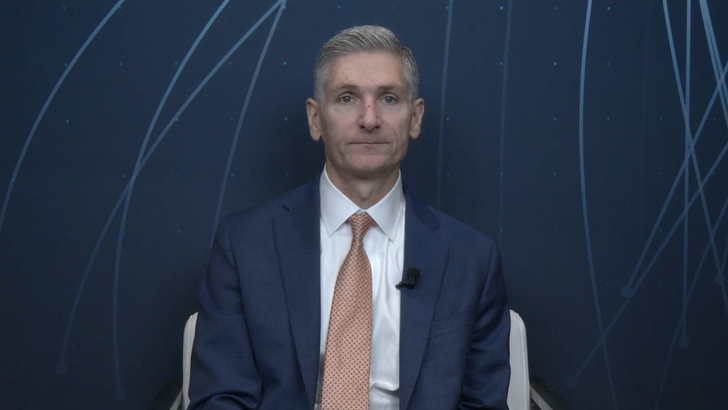
This overview from ACC 2026 examines how emerging data, including findings from SCOUT-HCM and other myosin inhibitor trials, are reshaping management of hypertrophic cardiomyopathy (HCM). Dr. Joseph Rossano highlights the shift from reactive, symptom-based care to strategies that target underlying disease pathophysiology. He also underscores the importance of early identification of symptomatic obstructive HCM, timely imaging and referral, and consideration of disease-targeted therapy. Tune in to see how these insights can inform real-world care across the HCM spectrum.
Hypertrophic Cardiomyopathy: Moving From Monitoring to Action in the Era of Myosin Inhibitors

Transcript
Hypertrophic Cardiomyopathy: Moving From Monitoring to Action in the Era of Myosin Inhibitors
closeTranscript
Hypertrophic Cardiomyopathy: Moving From Monitoring to Action in the Era of Myosin Inhibitors
closeTranscript
Hypertrophic Cardiomyopathy: Moving From Monitoring to Action in the Era of Myosin Inhibitors
closeDr. Rossano:
Hello. From ACC Scientific Sessions 2026 in New Orleans, I'm Dr. Joe Rossano.
Hypertrophic cardiomyopathy, or HCM, has traditionally been managed by monitoring symptoms and escalating treatment as the disease progresses. But emerging clinical data from SCOUT-HCM and other myosin inhibitor trials are expanding how we think about treating this disease across the HCM spectrum. I'm going to quickly review why identifying eligible patients for cardiac myosin inhibitors and taking a more proactive approach to treatment may help improve outcomes in our HCM patients.
HCM has traditionally been managed reactively, with treatment escalation occurring only after symptoms significantly worsen. The era of cardiac myosin inhibitors is changing how we think about treatment, shifting focus towards therapies that target the underlying disease pathophysiology.
Data from SCOUT-HCM and other myosin inhibitor trials like MARVEL-HCM are helping to expand how we think about treatment across the HCM spectrum.
Data just published here at ACC 2026 for MARVEL-HCM find that a substantial proportion of symptomatic HCM patients exhibit only provocable LVOT obstruction. Mavacamten demonstrated important clinical and hemodynamic benefits in these patients, underscoring the importance of routine measurements of provocable gradients to uncover a latent obstruction, thereby optimizing therapeutic strategies and improving symptoms in these patients.
These data are meaningful because they expand how we think about identifying treatable patients in obstructive hypertrophic cardiomyopathy. In a real-world cohort, patients with only provocable LVOT gradient still appear to derive meaningful benefit from mavacamten, including lower gradients, improved functional class, without new safety concerns. And for practicing clinicians, this underscores the value of provocative testing and not only relying on resting gradients.
Clinicians should proactively identify patients with symptomatic obstructive HCM who may be eligible for disease-targeted therapies. Timely evaluation, imaging, and referral to experienced HCM centers are essential for appropriate patient selection. This is a call to action: avoid unnecessary delays, identify and treat eligible patients sooner in the era of myosin inhibitors.
From ACC 2026, I'm Dr. Joe Rossano, and thank you for watching.
Ready to Claim Your Credits?
You have attempts to pass this post-test. Take your time and review carefully before submitting.
Good luck!
Overview
Provider(s)/Educational Partner(s)

Global Learning Collaborative (GLC) designs and executes continuing education founded on evidence-based medicine, clinical need, gap analysis, learner feedback, and more. Our mission is to serve as an inventive and relevant resource for clinical content and educational interventions across a broad spectrum of specialties. GLC’s methodology demonstrates a commitment to continuing medical education and the innovative assessment of its effects. Our goal is clear—to develop and deliver the best education in the most impactful manner and to verify its results with progressive outcomes research.
Disclaimer
The views and opinions expressed in this educational activity are those of the faculty and do not necessarily represent the views of GLC. This presentation is not intended to define an exclusive course of patient management; the participant should use his/her clinical judgment, knowledge, experience, and diagnostic skills in applying or adopting for professional use any of the information provided herein. Any procedures, medications, or other courses of diagnosis or treatment discussed or suggested in this activity should not be used by clinicians without evaluation of their patients’ conditions and contraindications or dangers in use, review of any applicable manufacturer’s product information, and comparison with recommendations of other authorities. Links to other sites may be provided as additional sources of information.
Reproduction Prohibited
Reproduction of this material is not permitted without written permission from the copyright owner.
Overview
This overview from ACC 2026 examines how emerging data, including findings from SCOUT-HCM and other myosin inhibitor trials, are reshaping management of hypertrophic cardiomyopathy (HCM). Dr. Joseph Rossano highlights the shift from reactive, symptom-based care to strategies that target underlying disease pathophysiology. He also underscores the importance of early identification of symptomatic obstructive HCM, timely imaging and referral, and consideration of disease-targeted therapy. Tune in to see how these insights can inform real-world care across the HCM spectrum.
Provider(s)/Educational Partner(s)

Global Learning Collaborative (GLC) designs and executes continuing education founded on evidence-based medicine, clinical need, gap analysis, learner feedback, and more. Our mission is to serve as an inventive and relevant resource for clinical content and educational interventions across a broad spectrum of specialties. GLC’s methodology demonstrates a commitment to continuing medical education and the innovative assessment of its effects. Our goal is clear—to develop and deliver the best education in the most impactful manner and to verify its results with progressive outcomes research.
Disclaimer
The views and opinions expressed in this educational activity are those of the faculty and do not necessarily represent the views of GLC. This presentation is not intended to define an exclusive course of patient management; the participant should use his/her clinical judgment, knowledge, experience, and diagnostic skills in applying or adopting for professional use any of the information provided herein. Any procedures, medications, or other courses of diagnosis or treatment discussed or suggested in this activity should not be used by clinicians without evaluation of their patients’ conditions and contraindications or dangers in use, review of any applicable manufacturer’s product information, and comparison with recommendations of other authorities. Links to other sites may be provided as additional sources of information.
Reproduction Prohibited
Reproduction of this material is not permitted without written permission from the copyright owner.
Title
Share on ReachMD
CloseProgram Chapters
Segment Chapters
Playlist:
Recommended
We’re glad to see you’re enjoying ReachMD…
but how about a more personalized experience?



